Love this? Save it for later!
Share the inspiration with your friends
The last place I expected to learn the secret to the perfect pie crust was from my plumber, Jim. I was standing in my kitchen, mid-chaos with a leaky sink and a half-hearted attempt at apple pie cooling on the counter, when Jim casually started chatting about his weekend baking. Honestly, I wasn’t expecting cooking advice from a plumber, but there I was, wiping flour off the counter, listening as he described exactly how to make a flaky no-fail pie crust with butter and shortening that never lets him down.
Jim explained how the combination of butter and shortening creates that ideal balance of flavor and texture—your crust gets the rich taste from butter but stays tender and flaky thanks to the shortening. I was skeptical at first, but the way he talked about the dough’s texture, the cold ingredients, and the quick chilling? It sounded like a small science experiment worth trying. Plus, the cracked ceramic bowl I was using (a gift from a thrift store) was already showing signs of battle scars, so why not put it to good use?
That day, I made the crust exactly as Jim outlined. I’ll admit, I forgot to chill the dough long enough the first time and had to redo it, but once I got it right, the crust was nothing short of magic—golden, flaky, and buttery with every bite. Maybe you’ve been there, staring at a soggy or tough pie crust and wondering how to fix it. Honestly, this flaky no-fail pie crust recipe with butter and shortening is the answer I keep coming back to. It’s simple, reliable, and brings a little unexpected joy to pie-making that I never thought a plumber could teach me.
Why You’ll Love This Recipe
After testing countless pie crust recipes and tweaking them for months, this flaky no-fail pie crust with butter and shortening quickly became my go-to. I’ve made pies that were perfectly golden and crisp on the outside while melting tenderly inside—something that friends and family can’t stop praising. Here’s why this recipe shines:
- Quick & Easy: Comes together in under 30 minutes, perfect for last-minute pie cravings or busy holiday preparations.
- Simple Ingredients: Uses pantry staples like butter, shortening, flour, and a touch of vinegar—all easy to find and affordable.
- Perfect for Any Pie: Whether you’re baking a classic apple pie or a creamy pumpkin, this crust holds up beautifully.
- Crowd-Pleaser: The flaky layers and buttery flavor never fail to impress both kids and adults alike.
- Unbelievably Delicious: The secret combo of butter and shortening keeps the crust tender without sacrificing flavor or texture.
What sets this recipe apart is that it’s not just about following steps—it’s about understanding the little tricks like keeping ingredients cold and handling the dough gently. Plus, the addition of a splash of vinegar keeps the gluten from toughening up, so the crust stays tender. Honestly, this isn’t just another pie crust recipe; it’s one I trust when I want a pie that looks and tastes like it came from a bakery, even if I’m rushing in my own kitchen.
This flaky no-fail pie crust recipe with butter and shortening is the kind that makes you close your eyes after the first bite and smile. It’s comforting, reliable, and perfect for those moments when you want to turn simple ingredients into something truly special.
What Ingredients You Will Need
This flaky no-fail pie crust recipe with butter and shortening uses simple, wholesome ingredients to deliver bold flavor and satisfying texture without the fuss. Most of these are pantry staples, but I’ll share tips for picking the best versions and easy swaps if you need them.
- All-purpose flour – 2 1/2 cups (315g), sifted for a light texture. I prefer King Arthur flour for consistent results.
- Unsalted butter – 1 cup (226g), cold and cut into small cubes. Butter adds rich, creamy flavor and helps the crust brown beautifully.
- Vegetable shortening – 1/2 cup (113g), chilled. Shortening keeps the crust tender and flaky by preventing too much gluten development.
- Granulated sugar – 1 tablespoon, optional, for a slight sweetness that balances savory pies nicely.
- Salt – 1 teaspoon, enhances flavor and balances the richness.
- Ice-cold water – 6 to 8 tablespoons (90-120ml), added gradually to bring the dough together without making it sticky.
- White vinegar – 1 teaspoon, helps tenderize the dough by inhibiting gluten formation.
Note: If you’re looking for a gluten-free option, you can substitute the flour with a 1:1 gluten-free baking blend, but the texture might be slightly different. For dairy-free, swap butter with vegan butter and use a plant-based shortening alternative.
For seasonal twists, you can add a teaspoon of cinnamon or nutmeg if you’re baking a fall pie, or fresh herbs if you’re making a savory tart. But honestly, this classic combo of butter and shortening is the reliable base I always trust.
Equipment Needed
Making flaky pie crust doesn’t require fancy gadgets, but a few kitchen tools make the process smoother and more foolproof:
- Mixing bowl: A large, sturdy bowl for combining ingredients. I like using a glass bowl because it’s easy to see the dough’s texture, but any large bowl works.
- Pastry blender or food processor: For cutting butter and shortening into the flour. If you don’t have a pastry blender, two knives crossed in a scissor motion or your fingertips work fine—just don’t warm the dough with your hands.
- Measuring cups and spoons: Precise measurements are key for consistency.
- Plastic wrap: To chill the dough, which is essential for flaky layers.
- Rolling pin: For rolling out the dough evenly. A wooden rolling pin is classic, but a silicone one is easier to clean and sticks less.
- Baking sheet or pie dish: Depending on your pie type. I recommend a glass or ceramic pie dish for even baking.
If you’re on a budget, you can skip the food processor and use the pastry blender or hands, but be mindful not to overwork the dough. Also, keeping your tools chilled helps prevent the butter from melting prematurely.
Preparation Method
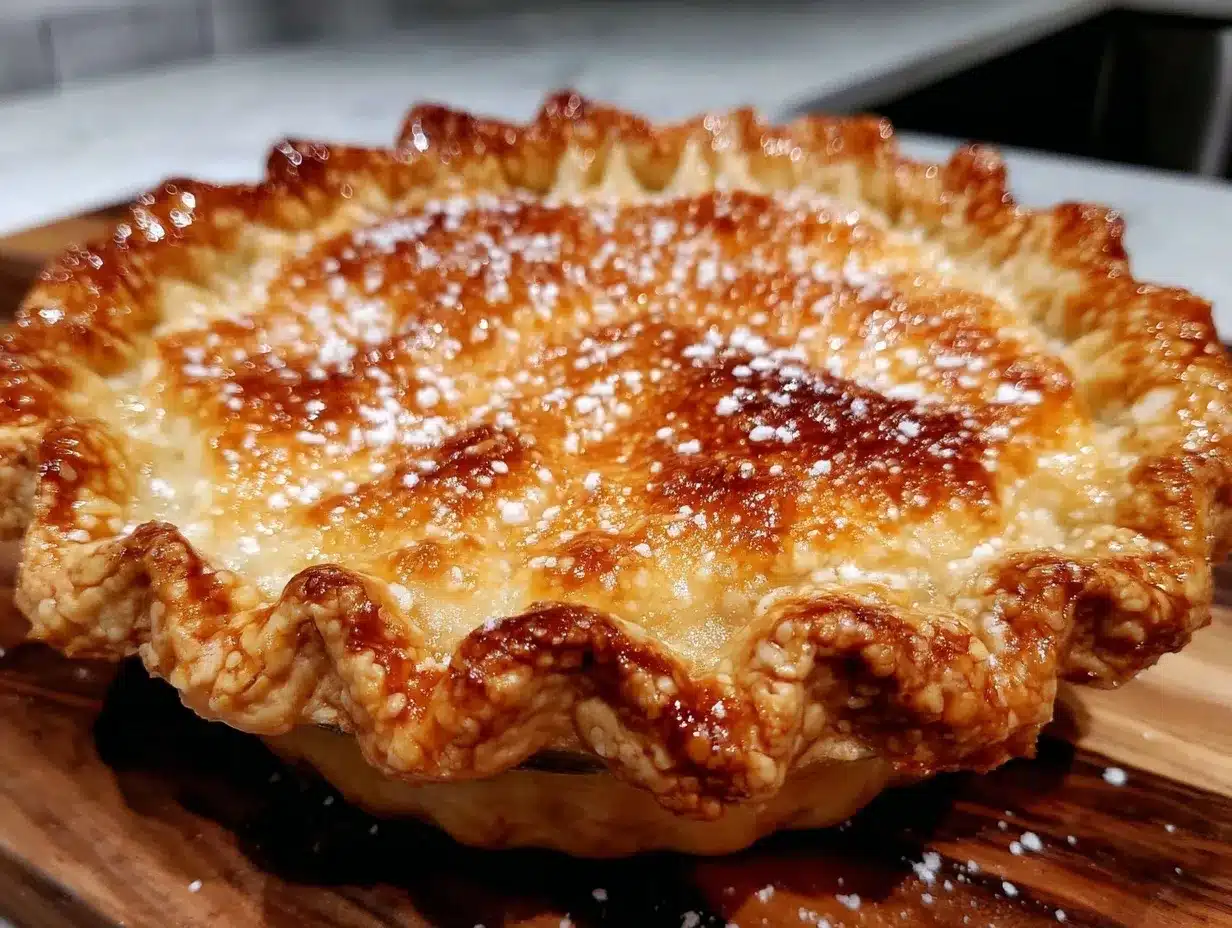
- Combine dry ingredients: In a large bowl, whisk together 2 1/2 cups (315g) all-purpose flour, 1 tablespoon sugar (optional), and 1 teaspoon salt. This dry mix sets the stage for a balanced crust.
- Cut in fats: Add 1 cup (226g) cold unsalted butter cubes and 1/2 cup (113g) chilled vegetable shortening to the flour mixture. Using a pastry blender or two knives, cut the fats into the flour until the mixture resembles coarse crumbs with pea-sized bits. (Tip: Work quickly to keep the fats cold—warm butter means a tough crust.)
- Add vinegar and water: Sprinkle 1 teaspoon white vinegar over the mixture. Begin adding 6 tablespoons (90ml) ice-cold water gradually, stirring gently with a fork. Add up to 2 more tablespoons if the dough feels too dry. Stop when the dough just holds together when pinched. Avoid overmixing to keep the crust tender.
- Form the dough: Turn the dough out onto a lightly floured surface. Gently press and shape it into two disks, about 1 inch thick. Handle the dough as little as possible to prevent gluten from toughening the crust.
- Chill: Wrap each disk tightly in plastic wrap and refrigerate for at least 1 hour (or up to 2 days). Chilling firms the fats and relaxes the gluten, which helps achieve flakiness.
- Roll out: Remove one disk from the fridge and let it sit for 5 minutes to soften slightly. On a floured surface, roll the dough from the center outward into a circle about 12 inches (30cm) in diameter. Rotate the dough frequently to prevent sticking and maintain shape.
- Transfer to pie dish: Carefully lift the rolled dough onto a 9-inch (23cm) pie dish. Gently press it into the dish without stretching. Trim excess dough, leaving about 1/2 inch overhang.
- Finish edges: Fold the overhang under itself to create a thick edge, then crimp with fingers or a fork. Chill the crust for 15 minutes before filling or baking to help it hold shape.
- Bake as directed: Follow your pie recipe’s instructions for filling and baking. For pre-baking (blind baking), prick the crust with a fork, line with parchment, and fill with pie weights or dried beans. Bake at 375°F (190°C) for 15 minutes, remove weights and parchment, then bake another 10 minutes or until golden.
Pro tip: If you notice the dough cracking while rolling, let it warm up a minute or two and sprinkle a bit more flour. And don’t rush chilling—it really makes a difference!
Cooking Tips & Techniques
Making flaky pie crust can feel tricky, but a few insider tips help you nail it every time:
- Keep everything cold: Butter and shortening should be chilled, and even your mixing bowl can benefit from a quick chill. Cold fats create steam pockets during baking that give your crust those signature flaky layers.
- Handle dough gently: Overworking the dough develops gluten, which makes crust tough. Mix just until ingredients come together and roll lightly.
- Use vinegar or lemon juice: The acid helps inhibit gluten formation, keeping your crust tender and flaky. It’s a small addition but makes a big difference.
- Chill twice: Chill the dough before rolling and again after shaping in the pie dish. This prevents shrinking and helps the crust set.
- Blind baking tips: If your pie filling is very wet, blind bake the crust first to avoid sogginess. Use pie weights or dried beans to keep the crust from puffing up.
- Learn from mistakes: I once tried rushing the chilling and ended up with a crumbly mess. Patience is key, and every batch teaches you a little more about your own kitchen’s quirks.
Variations & Adaptations
While the classic flaky no-fail pie crust with butter and shortening is fantastic, sometimes you want to mix things up. Here are some variations I’ve enjoyed:
- Whole Wheat Twist: Replace half the all-purpose flour with whole wheat flour for a nuttier flavor and added fiber. The crust will be slightly denser but still flaky.
- Gluten-Free Option: Use a gluten-free baking blend instead of regular flour. Add a tablespoon of xanthan gum if your blend doesn’t contain it to help bind the dough.
- Herb-Infused Crust: Add a teaspoon of finely chopped fresh rosemary or thyme to the flour for a savory pie variation—especially delicious with quiches or vegetable tarts.
- Vegan Adaptation: Swap butter with vegan butter and use a plant-based shortening. The texture remains tender, and the flavor is surprisingly close to the original.
- Spiced Crust: Mix a teaspoon of cinnamon and nutmeg into the flour for sweet pies like pumpkin or apple, adding cozy warmth to the crust itself.
One time, I tried a version with browned butter instead of cold butter for a deeper, nutty flavor. It was a little less flaky but rich and delicious—perfect for autumn pies.
Serving & Storage Suggestions
This flaky no-fail pie crust with butter and shortening is best enjoyed fresh, but leftovers are totally manageable with a few tricks:
- Serving temperature: Serve pies warm or at room temperature. Warm pies release that buttery aroma and make the crust feel tender and flaky.
- Pairings: Complement fruit pies with a scoop of vanilla ice cream or whipped cream. Savory pies go well with a crisp green salad or roasted vegetables.
- Storage: Wrap leftover pie tightly with plastic wrap and store in the refrigerator for up to 3 days. The crust might soften slightly but reheats well.
- Freezing: Unbaked dough disks freeze beautifully. Wrap in plastic and place in a freezer bag for up to 3 months. Thaw overnight in the fridge before rolling.
- Reheating: Warm leftover pie slices in a 350°F (175°C) oven for 10-15 minutes to refresh the crust’s crispness. Avoid microwaving as it tends to make crust soggy.
Flavors often deepen after a day, especially in fruit pies, so sometimes waiting is worth it. Trust me, you’ll want to make extra just to enjoy leftovers!
Nutritional Information & Benefits
Here’s a rough estimate for one slice of pie crust (assuming 8 slices per crust): approximately 180 calories, 10g fat, 20g carbohydrates, and 2g protein. The mixture of butter and shortening provides a good source of fat that helps with satiety.
The butter contributes vitamin A and antioxidants, while the vinegar adds a subtle tenderizing effect without extra calories. This recipe is naturally gluten-containing but can be adapted for gluten-free diets.
From a wellness perspective, making your own crust means you control the ingredients—no preservatives or additives, just simple, real food. Plus, the butter and shortening combo gives you a satisfying texture without excess toughness or greasiness.
Conclusion
This flaky no-fail pie crust recipe with butter and shortening is one of those kitchen gems you’ll keep coming back to. It’s simple, approachable, and reliably delicious—perfect for both pie-making newbies and seasoned bakers. What I love most is how forgiving it is: a little chill here, a gentle touch there, and you get that beautiful flaky, buttery crust every time.
Feel free to tweak it based on what you have and your taste preferences. Maybe you’ll try adding fresh herbs or a sprinkle of sugar on top before baking. Either way, this recipe is your trusty foundation for countless pies to come.
Give it a try, and don’t forget to share how your pie turns out—I’m always excited to hear about new twists and experiences in the kitchen. Happy baking!
Frequently Asked Questions
Can I make this pie crust entirely with butter instead of shortening?
Yes, you can, but the crust may be less tender and more prone to shrinking. The shortening helps keep it flaky and soft, so the combo is ideal.
Why is it important to keep the butter and shortening cold?
Cold fats create steam pockets as they melt during baking, which results in a flaky crust. Warm fats blend too much into the flour and make the crust tough.
How long should I chill the dough before rolling?
At least 1 hour is best to relax gluten and firm up fats. You can chill it up to 2 days wrapped tightly in plastic wrap.
Can I freeze the pie dough?
Absolutely! Wrap the dough disks well and freeze for up to 3 months. Thaw overnight in the fridge before using.
What if my dough cracks while rolling?
Let it rest a few minutes to warm slightly, then gently press the cracks together. Adding a tiny bit more cold water can help if it’s too dry.
Pin This Recipe!
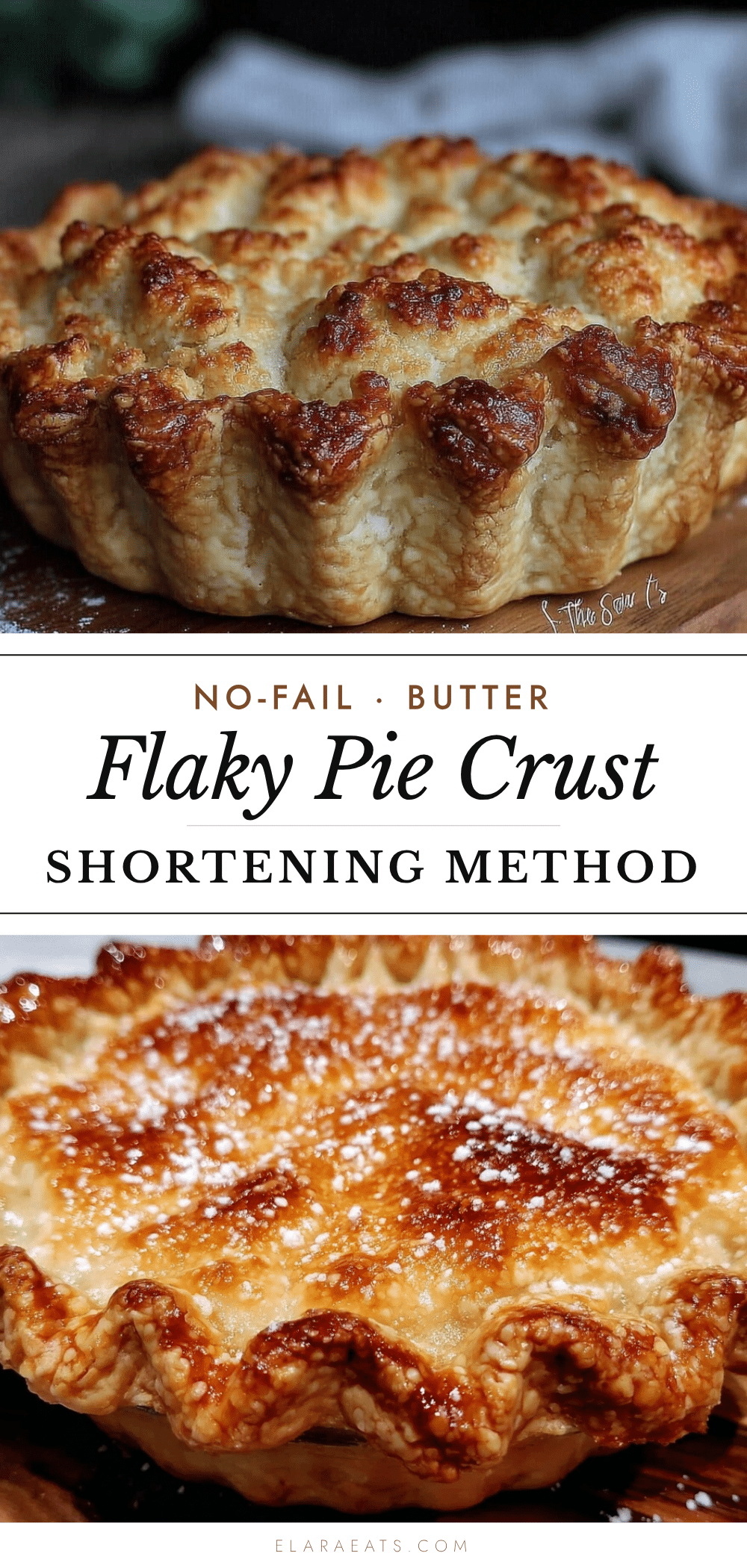
Flaky No-Fail Pie Crust Recipe with Butter and Shortening
A simple and reliable pie crust recipe combining butter and shortening for a flaky, tender, and buttery crust perfect for any pie.
- Prep Time: 15 minutes
- Cook Time: 25 minutes
- Total Time: 1 hour 40 minutes
- Yield: 8 servings 1x
- Category: Dessert
- Cuisine: American
Ingredients
- 2 1/2 cups (315g) all-purpose flour, sifted
- 1 cup (226g) unsalted butter, cold and cut into small cubes
- 1/2 cup (113g) vegetable shortening, chilled
- 1 tablespoon granulated sugar (optional)
- 1 teaspoon salt
- 6 to 8 tablespoons (90-120ml) ice-cold water
- 1 teaspoon white vinegar
Instructions
- In a large bowl, whisk together 2 1/2 cups all-purpose flour, 1 tablespoon sugar (optional), and 1 teaspoon salt.
- Add 1 cup cold unsalted butter cubes and 1/2 cup chilled vegetable shortening to the flour mixture. Using a pastry blender or two knives, cut the fats into the flour until the mixture resembles coarse crumbs with pea-sized bits. Work quickly to keep the fats cold.
- Sprinkle 1 teaspoon white vinegar over the mixture. Gradually add 6 tablespoons ice-cold water, stirring gently with a fork. Add up to 2 more tablespoons if the dough feels too dry. Stop when the dough just holds together when pinched. Avoid overmixing.
- Turn the dough out onto a lightly floured surface. Gently press and shape it into two disks about 1 inch thick. Handle the dough as little as possible.
- Wrap each disk tightly in plastic wrap and refrigerate for at least 1 hour or up to 2 days.
- Remove one disk from the fridge and let it sit for 5 minutes to soften slightly. Roll the dough on a floured surface from the center outward into a 12-inch circle, rotating frequently.
- Carefully lift the rolled dough onto a 9-inch pie dish. Gently press it into the dish without stretching. Trim excess dough, leaving about 1/2 inch overhang.
- Fold the overhang under itself to create a thick edge, then crimp with fingers or a fork. Chill the crust for 15 minutes before filling or baking.
- For blind baking, prick the crust with a fork, line with parchment, and fill with pie weights or dried beans. Bake at 375°F (190°C) for 15 minutes, remove weights and parchment, then bake another 10 minutes or until golden.
Notes
Keep all ingredients cold to ensure flakiness. Handle dough gently to avoid tough crust. Chill dough twice: before rolling and after shaping. For wet fillings, blind bake crust to prevent sogginess. If dough cracks while rolling, let it rest and add a bit more flour or water as needed.
Nutrition
- Serving Size: 1 slice (1/8 of pie
- Calories: 180
- Fat: 10
- Carbohydrates: 20
- Protein: 2
Keywords: pie crust, flaky pie crust, butter pie crust, shortening pie crust, no-fail pie crust, easy pie crust, homemade pie crust