Love this? Save it for later!
Share the inspiration with your friends
“I never thought I’d become a master of no-cook meals, but there I was, at 2 AM in my tiny dorm room, staring at an empty fridge and a mountain of homework.” That night, I discovered just how creative you can get with zero cooking skills and minimal ingredients. Honestly, dorm life isn’t exactly a gourmet chef’s playground—microwaves are often off-limits, and the communal kitchen can feel more like a battlefield than a place to cook. Maybe you’ve been there too: hungry, tired, and with no time (or energy) to prepare anything complicated.
It all started when I accidentally locked myself out of the dorm kitchen during a power outage—talk about a disaster! I rummaged through my stash of snacks and ended up combining things I never thought would work together. Surprisingly, those quick fixes turned into my go-to meals for the semester. And let me tell you, these easy no-cooking dorm meals aren’t just about convenience—they’re downright delicious and satisfying.
Whether you’re a freshman navigating campus life or just someone who hates cooking, these ideas will save you from the dreaded instant noodles rut. I mean, who wants to eat the same thing every night, right? These meals come together fast, use simple ingredients you can find at any grocery store, and require absolutely no stove or oven. Plus, they’re perfect for sharing with your roommates when you want to impress without breaking a sweat—or the bank.
So, if you’re ready to upgrade your dorm food game with minimal effort, stick around. These five recipes are easy, tasty, and honestly, a little lifesaver when cooking isn’t an option.
Why You’ll Love This Recipe
Having tested these easy no-cooking dorm meals through many late-night study sessions and rushed mornings, I can vouch for their simplicity and flavor. These recipes bring together convenience and nourishment without any fancy equipment or complicated steps.
- Quick & Easy: Each meal comes together in under 10 minutes, making them perfect for busy students or anyone short on time.
- Simple Ingredients: No need to hunt down exotic items—most ingredients are pantry staples or fresh basics you can grab at your local store.
- Perfect for Dorm Life: No stove, no oven, no problem. These meals require zero cooking appliances, ideal for tight dorm setups.
- Crowd-Pleaser: From picky eaters to foodies, these recipes get rave reviews for their fresh flavors and satisfying textures.
- Unbelievably Delicious: You wouldn’t guess these meals are so easy—they pack bold, comforting flavors that feel like home-cooked food.
What sets these easy no-cooking dorm meals apart is the clever use of layering textures and fresh, bright ingredients. For example, combining creamy hummus with crunchy veggies or tangy pickles with hearty bread creates a balance that keeps every bite interesting. Plus, I’ve thrown in a few hacks like prepping ingredients ahead or swapping in dairy-free options to make them even more versatile.
At the end of the day, these meals aren’t just quick fixes—they’re the kind of recipes that make you close your eyes and smile after the first bite. Whether you’re fueling up before a big exam or need a hassle-free dinner, these dishes have your back.
What Ingredients You Will Need
These easy no-cooking dorm meals rely on fresh, wholesome ingredients that bring flavor and texture without any heat. Most are pantry-friendly and can be swapped based on your preferences or dietary needs.
- For the Base:
- Whole grain bread or wraps (I like Dave’s Killer Bread for its hearty texture)
- Pre-washed salad greens or baby spinach
- Cooked canned beans (chickpeas, black beans) – great protein boost
- Instant couscous or quinoa (optional, if you want a filling grain)
- For the Protein:
- Hummus (classic or flavored varieties, such as roasted red pepper)
- Canned tuna or salmon (packed in water or olive oil)
- Pre-sliced deli turkey or chicken breast (look for nitrate-free options)
- Cheese slices or crumbled feta (use dairy-free cheese if needed)
- Fresh Vegetables & Add-Ins:
- Cucumber slices (adds refreshing crunch)
- Cherry tomatoes, halved
- Avocado, sliced or mashed (adds creaminess)
- Shredded carrots or bell pepper strips
- Pickles or olives (for tangy punch)
- Red onion, thinly sliced (optional)
- Seasonings & Extras:
- Extra virgin olive oil (for drizzling)
- Lemon juice or balsamic vinegar (fresh acidity brightens flavors)
- Salt and pepper
- Chili flakes or hot sauce (if you like a kick)
- Fresh herbs like parsley or cilantro (optional but adds freshness)
- Snack & Side Options:
- Mixed nuts or trail mix
- Fresh fruit like apples, bananas, or berries
- Greek yogurt or plant-based yogurt cups
Most of these ingredients are easy to find year-round and don’t require refrigeration immediately, making them perfect for dorm life. Feel free to swap in gluten-free wraps or seeds like pumpkin or sunflower for extra crunch. I’ve personally found that keeping a small stash of these basics handy saves me from late-night snack regrets more times than I can count.
Equipment Needed
Since these are easy no-cooking dorm meals, you don’t need much in terms of kitchen equipment. Here’s what I keep on hand:
- A sharp knife for slicing veggies and spreading toppings (I recommend a good-quality serrated knife for dorm use)
- Cutting board (a small, easy-to-clean board fits nicely in tight spaces)
- Spoons or spreaders for hummus and condiments
- Mixing bowls or large plates for assembling meals
- Reusable containers for storing prepped ingredients or leftovers
If you don’t have a knife handy, pre-sliced veggies from the store can be a lifesaver. Also, a small handheld can opener is useful for opening canned tuna or beans. I once managed with a dull knife and got a bit too enthusiastic—lesson learned: keep your tools sharp and ready!
For budget-friendly options, dollar stores often carry basic kitchen tools that work perfectly well for dorm cooking. Keeping things simple and organized helps turn your tiny dorm space into a functional mini kitchen.
Preparation Method
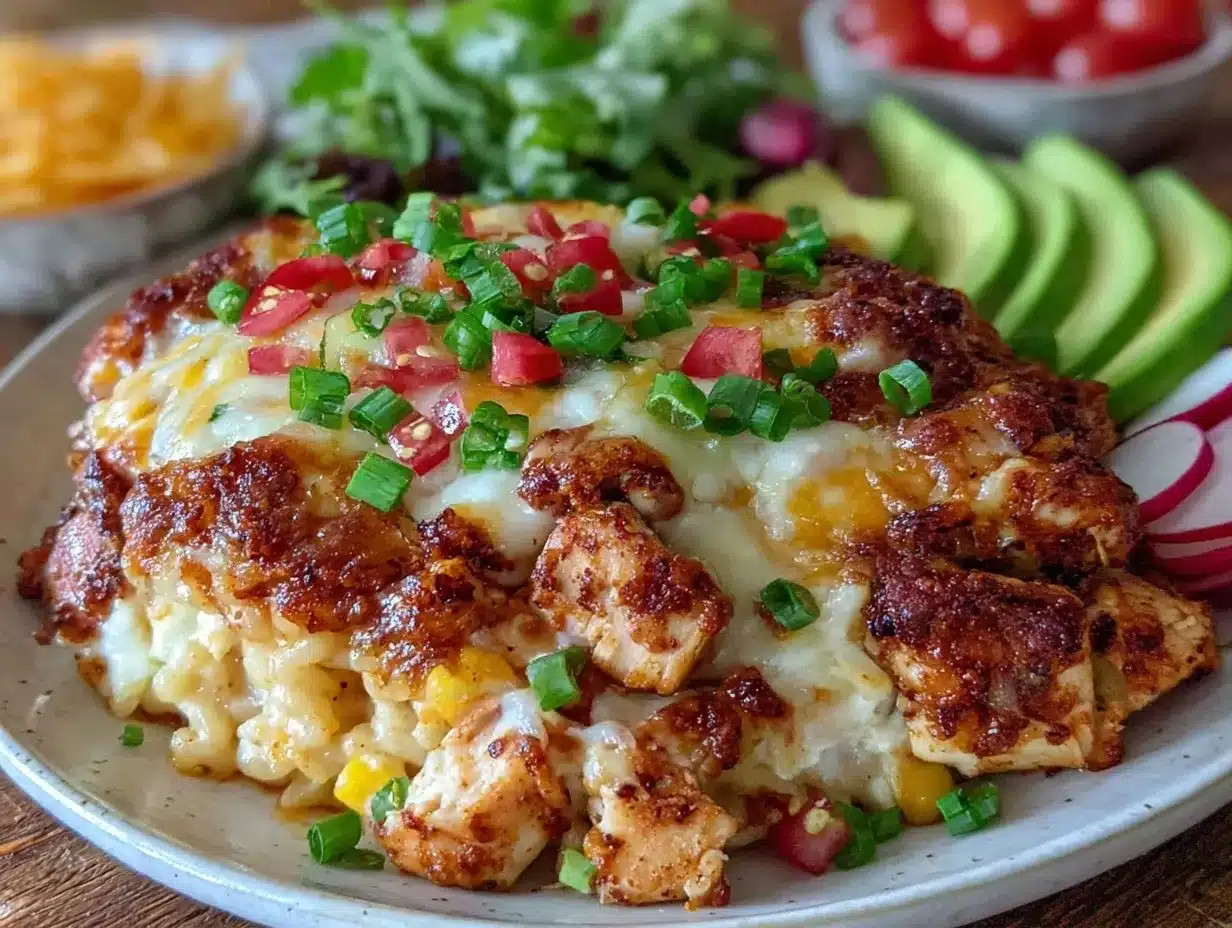
- Prep Your Ingredients (5-7 minutes): Start by washing and slicing all your fresh veggies. Slice cucumbers, halve cherry tomatoes, shred carrots, and slice avocado if using. If you prefer, you can prep these the night before and store them in airtight containers in the dorm fridge.
- Assemble the Base: Lay out your whole grain bread slices or wraps on a clean surface. If you want a grain bowl, prepare instant couscous or quinoa according to package instructions (usually 5 minutes with hot water).
- Add the Protein: Spread a generous layer of hummus on the bread or wrap. Layer canned tuna (drained), sliced deli meat, or beans on top. For dairy lovers, add cheese or feta crumbles. If you’re vegan or dairy-free, skip the cheese or use plant-based alternatives.
- Top with Veggies: Pile on the fresh vegetables—cucumber slices, tomatoes, shredded carrots, and avocado. Sprinkle with salt, pepper, and chili flakes if desired. Drizzle with olive oil and a squeeze of lemon juice or balsamic vinegar for some zing.
- Wrap or Plate: For a wrap, roll it tightly to avoid spills. If using bread, you can eat it open-faced or sandwich style. For grain bowls, toss everything together and garnish with fresh herbs.
- Snack & Side Prep: Grab some nuts or fresh fruit to round out your meal. A small yogurt cup adds creaminess and extra protein.
- Enjoy Immediately or Pack: These meals taste best fresh but can be wrapped and stored in the fridge for up to 24 hours. Just watch out for watery veggies making the bread soggy—pack those separately if possible.
During my first week of dorm life, I forgot to bring a knife to slice my avocado and had to improvise with a plastic spoon. Not ideal, but it worked! So, don’t sweat small mistakes—these meals are forgiving and flexible.
Cooking Tips & Techniques
Even though these recipes require no cooking, a few techniques can make a big difference in flavor and texture.
- Layer Flavors Thoughtfully: Think about combining creamy, crunchy, tangy, and fresh elements. For example, pairing smooth hummus with crisp cucumbers and a splash of lemon brightens each bite.
- Drain Canned Ingredients Well: Excess liquid from canned beans or tuna can make your meal soggy. Pat them dry with paper towels before assembling to keep things fresh.
- Use Fresh Herbs: Even a small pinch of chopped parsley or cilantro brings life to simple dishes. If you don’t have fresh herbs, a pinch of dried herbs will also do.
- Prep Ingredients Ahead: On busy days, prepping veggies and proteins in bulk saves time. Store in airtight containers in the fridge and mix and match meals throughout the week.
- Don’t Overfill Wraps: It’s tempting to pack everything in, but overstuffed wraps can be messy and hard to eat. Keep a balance for easier handling.
- Adjust Seasonings to Taste: Salt, pepper, and acidity levels can vary based on ingredients. Taste as you build your meal for the best results.
I once tried making a wrap with soggy store-bought lettuce—big mistake. Lesson: crisp veggies make all the difference. Also, using a little olive oil drizzle can help ingredients meld together and feel more satisfying.
Variations & Adaptations
One of the best things about easy no-cooking dorm meals is how adaptable they are. Here are some ideas to switch things up:
- Vegan Version: Swap out deli meats and cheese for extra beans, marinated tofu strips, or roasted chickpeas. Use dairy-free hummus and vegan wraps.
- Seasonal Twist: In summer, add fresh berries or thinly sliced peaches to your salad or wrap for a sweet contrast. In fall, incorporate roasted pumpkin seeds or dried cranberries.
- Spicy Kick: Add sriracha, harissa, or chili flakes to your hummus or drizzle hot sauce over your assembled meal for heat lovers.
- Grain Bowl Alternative: Replace bread with cooked instant couscous or quinoa, then top with the same proteins and veggies for a heartier meal.
- Personal Favorite: I love adding a spoonful of pesto to my hummus layer for an herby, savory depth—totally transforms the flavor without extra effort.
These easy no-cooking dorm meals let you get creative without stressing over techniques or equipment. Feel free to experiment with what you have on hand!
Serving & Storage Suggestions
These meals are best enjoyed fresh, at room temperature or chilled. If you’re packing lunch for class or a study session, wrap sandwiches tightly in parchment paper or keep grain bowls in sealed containers.
Pair your meal with a side of fresh fruit or crunchy nuts for a balanced bite. Cold drinks like iced tea, sparkling water, or a simple smoothie complement the fresh flavors well.
For storage, keep prepped ingredients in the fridge and assemble right before eating to avoid sogginess. Leftovers can generally be kept refrigerated up to 24 hours, but bread-based meals are usually best eaten the same day.
Reheating isn’t necessary here, but if you want to warm a grain bowl, a quick microwave zap (about 30 seconds) works fine. Just add fresh toppings afterward for texture.
Over time, these meals develop even more flavor as ingredients mingle—just remember to keep wet and dry components separate when storing.
Nutritional Information & Benefits
These easy no-cooking dorm meals are nutrient-packed and balanced, making them ideal for busy students or anyone on the go.
| Approximate Nutritional Values (per serving) | Amount |
|---|---|
| Calories | 350-450 kcal |
| Protein | 15-20 g |
| Carbohydrates | 35-45 g |
| Fat | 10-15 g (mostly healthy fats) |
| Fiber | 6-8 g |
Ingredients like beans, hummus, and whole grain bread provide plant-based protein and fiber, helping keep you full and energized. Fresh veggies boost vitamins and antioxidants, while olive oil adds heart-healthy fats.
Gluten-free and dairy-free options are easy to swap in, making these meals accessible for various dietary needs. Just watch for allergens in pre-packaged deli meats or dressings.
Personally, I find these meals satisfy my hunger without weighing me down—perfect when I need to stay sharp for classes.
Conclusion
Easy no-cooking dorm meals are a game-changer for anyone living the dorm life or looking for fast, tasty meal ideas without turning on the stove. They’re simple, flexible, and packed with flavor—exactly what you want when time and resources are limited.
Feel free to adjust these recipes based on your taste buds or what’s in your pantry. Trust me, once you get the hang of mixing and matching, you’ll never dread mealtime again.
I keep coming back to these meals because they remind me that good food doesn’t have to be complicated. Plus, they free up more time for friends, studying, or well—just relaxing after a long day.
If you give these recipes a try, I’d love to hear how you made them your own! Drop a comment or share your favorite no-cook meal hacks to keep the conversation going.
Here’s to delicious, easy eating wherever life takes you!
FAQs About Easy No-Cooking Dorm Meals
Can I store these meals overnight?
Yes! Just store prepped ingredients separately when possible to keep bread or wraps from getting soggy. Most components keep well in the fridge for up to 24 hours.
What if I don’t have access to a fridge?
Choose shelf-stable ingredients like canned beans, nut butters, and fresh fruit that don’t require refrigeration. Eat these meals soon after assembling for best taste and safety.
Are these meals suitable for vegetarians or vegans?
Absolutely! Just swap out deli meats and cheese with plant-based proteins like beans, tofu, or vegan cheese alternatives.
How can I add more protein without cooking?
Incorporate canned tuna, beans, hummus, nuts, or seeds. Greek yogurt or plant-based yogurts are also great protein sources.
What’s the best way to avoid soggy wraps or sandwiches?
Keep wet ingredients like tomatoes or pickles separate and add them right before eating. Also, pat canned items dry and use crisp veggies for texture.
For more quick meal ideas, you might enjoy checking out our crispy garlic chicken recipe or the fresh Greek salad for no-cook inspiration that’s equally satisfying.
Pin This Recipe!
Easy No-Cooking Dorm Meals Recipe: 5 Quick & Delicious Ideas You’ll Love

These easy no-cooking dorm meals are quick, tasty, and perfect for busy students or anyone with limited kitchen access. They require no stove or oven and come together in under 10 minutes using simple, fresh ingredients.
- Prep Time: 5-7 minutes
- Cook Time: 0 minutes
- Total Time: 5-10 minutes
- Yield: 1 serving
- Category: Main Course
- Cuisine: American
Ingredients
- Whole grain bread or wraps (e.g., Dave’s Killer Bread)
- Pre-washed salad greens or baby spinach
- Cooked canned beans (chickpeas, black beans)
- Instant couscous or quinoa (optional)
- Hummus (classic or flavored, such as roasted red pepper)
- Canned tuna or salmon (packed in water or olive oil)
- Pre-sliced deli turkey or chicken breast (nitrate-free if possible)
- Cheese slices or crumbled feta (dairy-free cheese if needed)
- Cucumber slices
- Cherry tomatoes, halved
- Avocado, sliced or mashed
- Shredded carrots or bell pepper strips
- Pickles or olives
- Red onion, thinly sliced (optional)
- Extra virgin olive oil (for drizzling)
- Lemon juice or balsamic vinegar
- Salt and pepper
- Chili flakes or hot sauce (optional)
- Fresh herbs like parsley or cilantro (optional)
- Mixed nuts or trail mix (for snack or side)
- Fresh fruit like apples, bananas, or berries (for snack or side)
- Greek yogurt or plant-based yogurt cups (for snack or side)
Instructions
- Prep your ingredients by washing and slicing fresh veggies such as cucumbers, cherry tomatoes, carrots, and avocado. You can prep these the night before and store in airtight containers in the fridge.
- Assemble the base by laying out whole grain bread slices or wraps. If making a grain bowl, prepare instant couscous or quinoa according to package instructions (about 5 minutes with hot water).
- Add protein by spreading a generous layer of hummus on the bread or wrap. Layer canned tuna (drained), sliced deli meat, or beans on top. Add cheese or feta if desired, or use dairy-free alternatives for vegan options.
- Top with fresh vegetables: cucumber slices, tomatoes, shredded carrots, avocado, and optionally red onion. Season with salt, pepper, and chili flakes if desired. Drizzle with olive oil and a squeeze of lemon juice or balsamic vinegar.
- Wrap tightly if using wraps to avoid spills. For bread, eat open-faced or sandwich style. For grain bowls, toss everything together and garnish with fresh herbs.
- Add snacks or sides such as mixed nuts, fresh fruit, or a small yogurt cup to round out the meal.
- Enjoy immediately or pack for later. Store prepped ingredients separately to avoid sogginess and keep refrigerated up to 24 hours.
Notes
Pat canned beans or tuna dry to avoid sogginess. Prep veggies ahead to save time. Keep wet ingredients separate when packing to maintain texture. Use fresh herbs to brighten flavors. Avoid overfilling wraps for easier eating.
Nutrition
- Serving Size: 1 assembled meal (sa
- Calories: 350450
- Sugar: 58
- Sodium: 400600
- Fat: 1015
- Saturated Fat: 24
- Carbohydrates: 3545
- Fiber: 68
- Protein: 1520
Keywords: no-cook meals, dorm meals, quick meals, easy recipes, student meals, no stove cooking, healthy snacks, vegetarian options, vegan options