Love this? Save it for later!
Share the inspiration with your friends
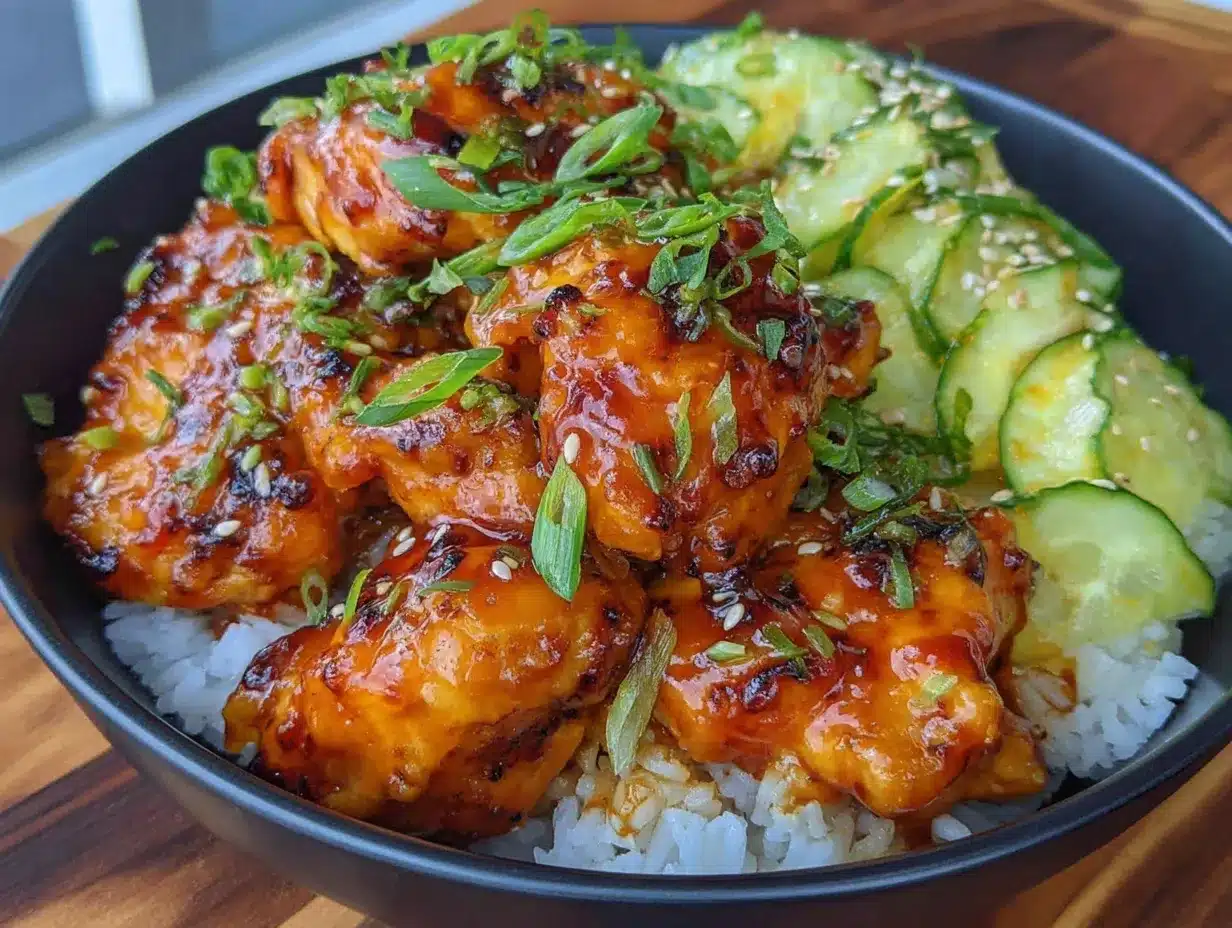
You know that feeling when you come home after a long, cold day and all you want is something that feels like a hug in a bowl? That’s exactly what this Cozy Spicy Korean Gochujang Chicken Rice Bowl delivers. It’s got that perfect balance of heat, sweetness, and savory depth that makes you take a bite, pause, and then immediately go back for another.
- Quick & Easy: From start to finish, this comes together in about 30 minutes. Perfect for those evenings when you’re hungry but don’t want to spend all night in the kitchen.
- Simple Ingredients: You probably already have most of these in your pantry. No need for a special trip to an Asian market—though if you do, grab a few extra jars of gochujang for later.
- Perfect for Cozy Nights: This is the kind of meal you make when the weather is chilly, or you just need something to pick you up. It’s comfort food with a spicy kick.
- Crowd-Pleaser: I’ve served this to friends who claimed they “don’t like spicy food,” and they went back for seconds. The heat is warm and friendly, not punishing.
- Unbelievably Delicious: The sauce clings to every piece of chicken and each grain of rice. It’s messy in the best possible way.
What makes this recipe different from all the other Korean chicken bowls out there? It’s the balance. I spent a few batches getting the sauce just right—not too sweet, not too salty, with a heat that builds slowly and then fades. It’s the kind of recipe that makes you close your eyes after the first bite. Honestly, it’s comfort food reimagined—faster and simpler, but with the same soul-soothing satisfaction.
What Ingredients You Will Need
This recipe uses simple, wholesome ingredients to deliver that bold, comforting flavor without any fuss. Most of these are pantry staples if you cook Asian food regularly, but I’ve included easy swaps if you need them.
- For the Chicken & Marinade:
– 1.5 lbs (680g) boneless, skinless chicken thighs (I prefer thighs over breasts—they stay juicier and more forgiving if you cook them a minute too long)
– 3 tablespoons gochujang (Korean chili paste) — this is the star. I recommend the brand O’Food for a consistent heat level
– 2 tablespoons soy sauce (use low-sodium if you’re watching your salt)
– 1 tablespoon sesame oil (adds that nutty, toasty flavor)
– 2 cloves garlic, minced (or 1 teaspoon garlic paste from a tube—no judgment here)
– 1 teaspoon fresh ginger, grated (I keep a knob in the freezer; it grates beautifully without peeling)
– 1 tablespoon honey or brown sugar (balances the heat with a touch of sweetness)
– 1 tablespoon rice vinegar (for a little acidity to brighten everything up)
- For the Bowl:
– 2 cups cooked white or brown rice (short-grain is traditional, but jasmine works great too)
– 1 tablespoon vegetable or avocado oil (for cooking the chicken)
– 1 cucumber, thinly sliced
– 1 cup shredded carrots (buy the pre-shredded kind to save time)
– 4 green onions, sliced (both white and green parts)
– 1 tablespoon toasted sesame seeds (for that final crunch)
– Optional: kimchi on the side (I mean, why wouldn’t you?)
- For the Quick Pickled Veggies (optional but highly recommended):
– 1/2 cup rice vinegar
– 1/2 cup water
– 1 tablespoon sugar
– 1/2 teaspoon salt
– 1/2 cup thinly sliced radishes or daikon
Ingredient Tips: Gochujang can vary in spiciness between brands. If you’re sensitive to heat, start with 2 tablespoons and taste the sauce before adding the chicken. You can always add more, but you can’t take it out! For a gluten-free version, swap the soy sauce for tamari or coconut aminos. The honey can be replaced with maple syrup if that’s what you have on hand.
Equipment Needed
You don’t need a fancy kitchen to make this bowl. Here’s what you’ll need:
- A large skillet or wok (non-stick works best for easy cleanup)
- A mixing bowl (for the marinade)
- A sharp knife and cutting board
- A small saucepan (if you’re making the quick pickles)
- A rice cooker or pot for cooking rice (or leftover rice works perfectly)
Personal Note: I used to use a cheap non-stick skillet that I bought for $15 at a discount store. It worked fine, but when I finally upgraded to a cast-iron skillet, the chicken got a better sear and the sauce caramelized beautifully. If you have a cast-iron, use it. If not, don’t worry—your regular skillet will do the job.
Preparation Method
Let’s get cooking. This is a straightforward process, but I’ve added some notes from my own trial-and-error so you don’t make the same mistakes I did.
- Make the marinade. In a medium bowl, whisk together the gochujang, soy sauce, sesame oil, minced garlic, grated ginger, honey, and rice vinegar. Taste it. It should be spicy, sweet, and savory all at once. If it’s too thick, add a tablespoon of water. Set aside about 2 tablespoons of this mixture for later (you’ll use it as a finishing sauce).
- Marinate the chicken. Cut the chicken thighs into bite-sized pieces (about 1-inch cubes). Toss them in the remaining marinade until every piece is coated. Let it sit for at least 10 minutes—while you prep the veggies or make the rice. If you have time, let it marinate in the fridge for 30 minutes; the flavor gets deeper.
- Cook the rice. If you’re making fresh rice, start it now. Short-grain rice takes about 15-20 minutes to cook. I use a rice cooker because I’m lazy and it never burns. If you’re using leftover rice, just warm it up in the microwave or a pan.
- Quick pickles (optional). In a small saucepan, combine rice vinegar, water, sugar, and salt. Bring to a simmer, stirring until the sugar dissolves. Pour the hot liquid over your sliced radishes in a small bowl. Let them sit while you cook the chicken. They’ll be ready in about 15 minutes.
- Cook the chicken. Heat a large skillet over medium-high heat and add the vegetable oil. When the oil shimmers (but isn’t smoking), add the chicken pieces in a single layer. Don’t overcrowd the pan—you might need to do this in two batches. Let the chicken sear without moving it for about 2-3 minutes. You want a nice brown crust. Then stir-fry for another 3-4 minutes until the chicken is cooked through and the sauce has thickened and glazed the pieces. The internal temperature should reach 165°F (74°C).
- Finish the sauce. Drizzle the reserved 2 tablespoons of marinade over the cooked chicken and toss to coat. This gives it an extra layer of flavor that doesn’t get cooked off. Let it sizzle for another 30 seconds, then remove from heat.
- Assemble the bowls. Divide the rice among four bowls. Top with the glazed chicken, sliced cucumber, shredded carrots, and pickled radishes (if using). Garnish with sliced green onions and a generous sprinkle of sesame seeds.
Sensory Cue: When the chicken hits the pan, you should hear a satisfying sizzle. The kitchen will smell like a Korean BBQ restaurant—smoky, sweet, and a little spicy. When you take the first bite, the chicken should be tender, the sauce sticky, and the rice fluffy.
Cooking Tips & Techniques
I’ve made this bowl about a dozen times, and I’ve learned a few things the hard way. Here are my best tips:
- Don’t skip the sear. The first time I made this, I stirred the chicken constantly because I was impatient. The chicken cooked, but it was pale and the sauce was watery. Let the chicken sit in the pan for a few minutes to develop that brown crust. That crust is where the flavor lives.
- Watch the heat. Gochujang has sugar in it, which means it can burn easily if your pan is too hot. If you see the sauce starting to turn dark brown and smell bitter, lower the heat immediately. Medium-high is usually perfect.
- Prep everything first. This is a fast-cooking dish once you start. I learned this lesson when I had chicken burning in the pan while I was frantically trying to slice a cucumber. Chop all your veggies, make the rice, and have everything within arm’s reach before you turn on the stove.
- Double the sauce. I always make a little extra sauce on the side. Sometimes I drizzle it over the bowl, sometimes I use it as a dipping sauce for the chicken. It’s never wasted.
Variations & Adaptations
This recipe is flexible. Here are some ways to make it your own:
- Make it vegetarian: Swap the chicken for firm tofu or tempeh. Press the tofu first to remove excess water, then cube it and marinate it the same way. Pan-fry until golden and crispy.
- Add more veggies: I’ve thrown in broccoli florets, bell peppers, and even spinach at the end. Just add them to the pan after the chicken is cooked and stir-fry for 2-3 minutes.
- Go low-carb: Serve the chicken and veggies over cauliflower rice or a bed of lettuce instead of regular rice. It’s just as satisfying, and you won’t miss the carbs.
- Make it extra spicy: Add a teaspoon of gochugaru (Korean chili flakes) to the marinade, or drizzle sriracha over the finished bowl. My husband does this, and I can’t watch him eat it without sweating.
- Try a different protein: This sauce works beautifully with pork, beef, or even shrimp. Just adjust the cooking time accordingly. Shrimp only needs about 3-4 minutes total.
Serving & Storage Suggestions
Serve these bowls warm, with the rice steaming and the chicken glistening. I like to arrange the toppings in neat little piles so everyone can mix it up themselves. A side of kimchi is practically mandatory—it adds a fermented tang that cuts through the richness.
Storage: Store the chicken, rice, and veggies separately in airtight containers in the fridge. The chicken will keep for up to 4 days. The rice can get a little dry, so add a splash of water when reheating.
Reheating: The microwave works fine, but for the best texture, reheat the chicken in a skillet over medium heat with a splash of water or soy sauce. This brings back the sticky glaze. The rice can be steamed in the microwave with a damp paper towel over it.
Flavor note: The flavors actually deepen overnight. If you can resist eating it all, the leftovers are even better the next day. The chicken soaks up more of that gochujang goodness.
Nutritional Information & Benefits
This bowl is surprisingly balanced. Here’s an approximate breakdown per serving (based on 4 servings with white rice and without pickles):
- Calories: 490
- Protein: 35g
- Fat: 16g
- Carbohydrates: 48g
- Fiber: 3g
- Sugar: 12g
Health Benefits: Gochujang is made from fermented soybeans and chili peppers, which means it contains probiotics that are good for gut health. The capsaicin in the chili peppers can boost your metabolism and reduce inflammation. Chicken thighs provide a good dose of protein and iron, while the veggies add vitamins A and C. It’s comfort food that actually does your body a favor.
Dietary Considerations: This recipe is naturally dairy-free and can be made gluten-free with tamari. It’s not low-carb as written, but the cauliflower rice swap works perfectly.
Frequently Asked Questions
Can I use chicken breasts instead of thighs?
Absolutely, but be careful not to overcook them. Chicken breasts are leaner and can dry out quickly. Cook them just until they reach 165°F (74°C), and consider slicing them into smaller pieces so they cook faster.
What can I substitute for gochujang?
If you can’t find gochujang, you can mix 2 tablespoons of miso paste with 1 tablespoon of sriracha or chili garlic sauce. It won’t be exactly the same, but it’ll give you a similar savory-spicy profile.
How spicy is this dish?
It’s medium-spicy. The heat is warm and pleasant, not overwhelming. If you’re sensitive, start with 2 tablespoons of gochujang and taste the marinade before adding the chicken. You can always add more heat later with a drizzle of sriracha.
Can I make this in advance for meal prep?
Yes! This is one of my favorite meal prep recipes. Cook everything as directed, then divide into containers with the rice, chicken, and veggies separate. When you’re ready to eat, reheat the chicken and rice, then add the fresh veggies. The pickles can be stored in their liquid for up to a week.
What if I don’t have a rice cooker?
No problem. Cook the rice in a pot with a tight-fitting lid. Use a 2:1 ratio of water to rice. Bring to a boil, then reduce the heat to low, cover, and simmer for 15-18 minutes. Let it sit, covered, for 5 minutes before fluffing with a fork.
Conclusion
This Cozy Spicy Korean Gochujang Chicken Rice Bowl is the kind of recipe that becomes a regular in your rotation. It’s quick enough for a weeknight, but impressive enough to serve to guests. The balance of spicy, sweet, and savory is just right, and the textures—from the tender chicken to the crunchy veggies to the fluffy rice—make every bite interesting.
I love this recipe because it feels like a small adventure in my own kitchen. It transports me without requiring a plane ticket. And honestly, it’s one of those meals that makes me feel like I’ve got my act together, even on days when I definitely don’t.
I’d love to hear how it turns out for you. Did you add extra spice? Swap in tofu? Forget the sesame seeds and eat it anyway? Drop a comment below and let me know your version. And if you loved it, share it with someone who needs a little cozy comfort tonight. Happy cooking!
Pin This Recipe!
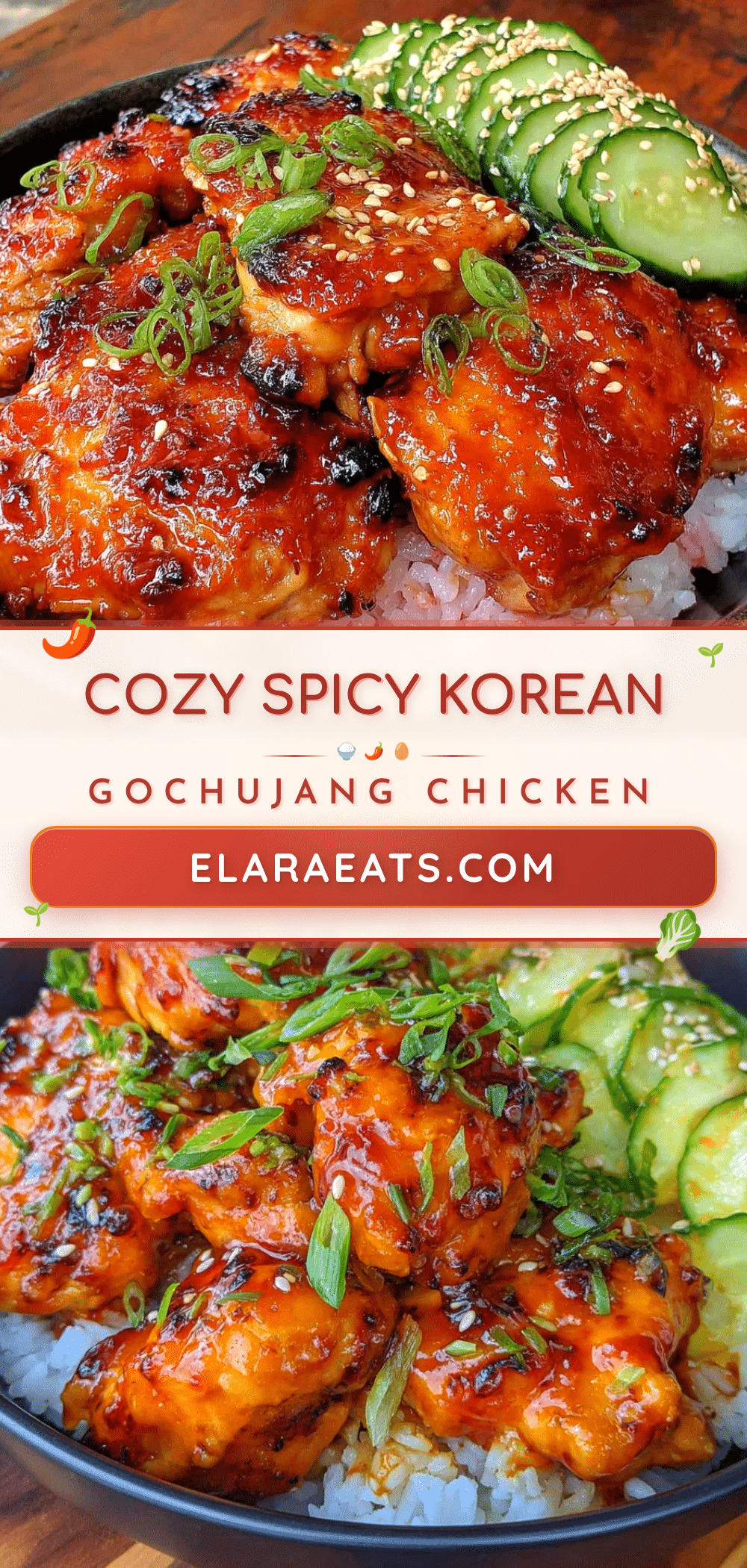
Cozy Spicy Korean Gochujang Chicken Rice Bowl
A quick and easy Korean-inspired rice bowl featuring tender chicken thighs glazed in a spicy-sweet gochujang sauce, served over fluffy rice with fresh veggies and optional quick pickles. Perfect for cozy nights when you need comfort food with a kick.
- Prep Time: 15 minutes
- Cook Time: 15 minutes
- Total Time: 30 minutes
- Yield: 4 servings 1x
- Category: Main Course
- Cuisine: Korean
Ingredients
- 1.5 lbs (680g) boneless, skinless chicken thighs
- 3 tablespoons gochujang (Korean chili paste)
- 2 tablespoons soy sauce (low-sodium if desired)
- 1 tablespoon sesame oil
- 2 cloves garlic, minced
- 1 teaspoon fresh ginger, grated
- 1 tablespoon honey or brown sugar
- 1 tablespoon rice vinegar
- 2 cups cooked white or brown rice
- 1 tablespoon vegetable or avocado oil
- 1 cucumber, thinly sliced
- 1 cup shredded carrots
- 4 green onions, sliced
- 1 tablespoon toasted sesame seeds
- Optional: kimchi for serving
- For the Quick Pickled Veggies (optional):
- 1/2 cup rice vinegar
- 1/2 cup water
- 1 tablespoon sugar
- 1/2 teaspoon salt
- 1/2 cup thinly sliced radishes or daikon
Instructions
- Make the marinade: In a medium bowl, whisk together gochujang, soy sauce, sesame oil, minced garlic, grated ginger, honey, and rice vinegar. Taste and adjust if needed. Set aside about 2 tablespoons for later.
- Marinate the chicken: Cut chicken thighs into bite-sized pieces (about 1-inch cubes). Toss in the remaining marinade until coated. Let sit for at least 10 minutes (or up to 30 minutes in the fridge).
- Cook the rice: If making fresh rice, start now. Short-grain rice takes about 15-20 minutes. Use a rice cooker or pot with a tight-fitting lid.
- Quick pickles (optional): In a small saucepan, combine rice vinegar, water, sugar, and salt. Bring to a simmer, stirring until sugar dissolves. Pour over sliced radishes in a bowl. Let sit while you cook the chicken.
- Cook the chicken: Heat a large skillet over medium-high heat and add vegetable oil. When oil shimmers, add chicken pieces in a single layer (do not overcrowd). Sear without moving for 2-3 minutes, then stir-fry for another 3-4 minutes until cooked through (internal temperature 165°F/74°C).
- Finish the sauce: Drizzle the reserved 2 tablespoons of marinade over the cooked chicken and toss to coat. Let sizzle for 30 seconds, then remove from heat.
- Assemble the bowls: Divide rice among four bowls. Top with glazed chicken, sliced cucumber, shredded carrots, and pickled radishes (if using). Garnish with sliced green onions and sesame seeds.
Notes
Gochujang can vary in spiciness; start with 2 tablespoons if sensitive. For gluten-free, use tamari or coconut aminos instead of soy sauce. The flavors deepen overnight, making leftovers even better. Prep all ingredients before cooking as this dish comes together quickly.
Nutrition
- Serving Size: 1 bowl
- Calories: 490
- Sugar: 12
- Sodium: 800
- Fat: 16
- Saturated Fat: 3
- Carbohydrates: 48
- Fiber: 3
- Protein: 35
Keywords: gochujang chicken, Korean rice bowl, spicy chicken bowl, quick dinner, comfort food, Korean recipe, chicken thighs, gochujang