Love this? Save it for later!
Share the inspiration with your friends
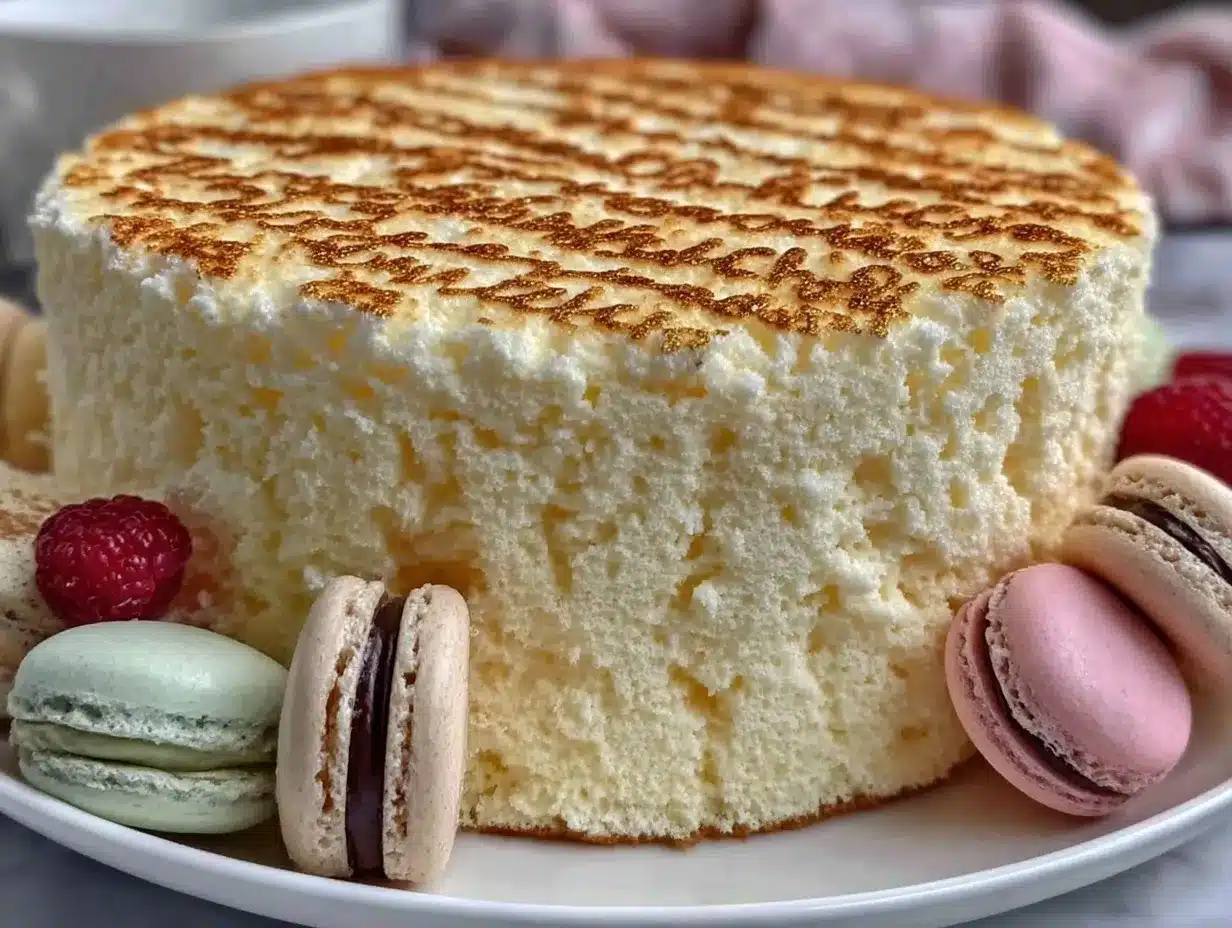
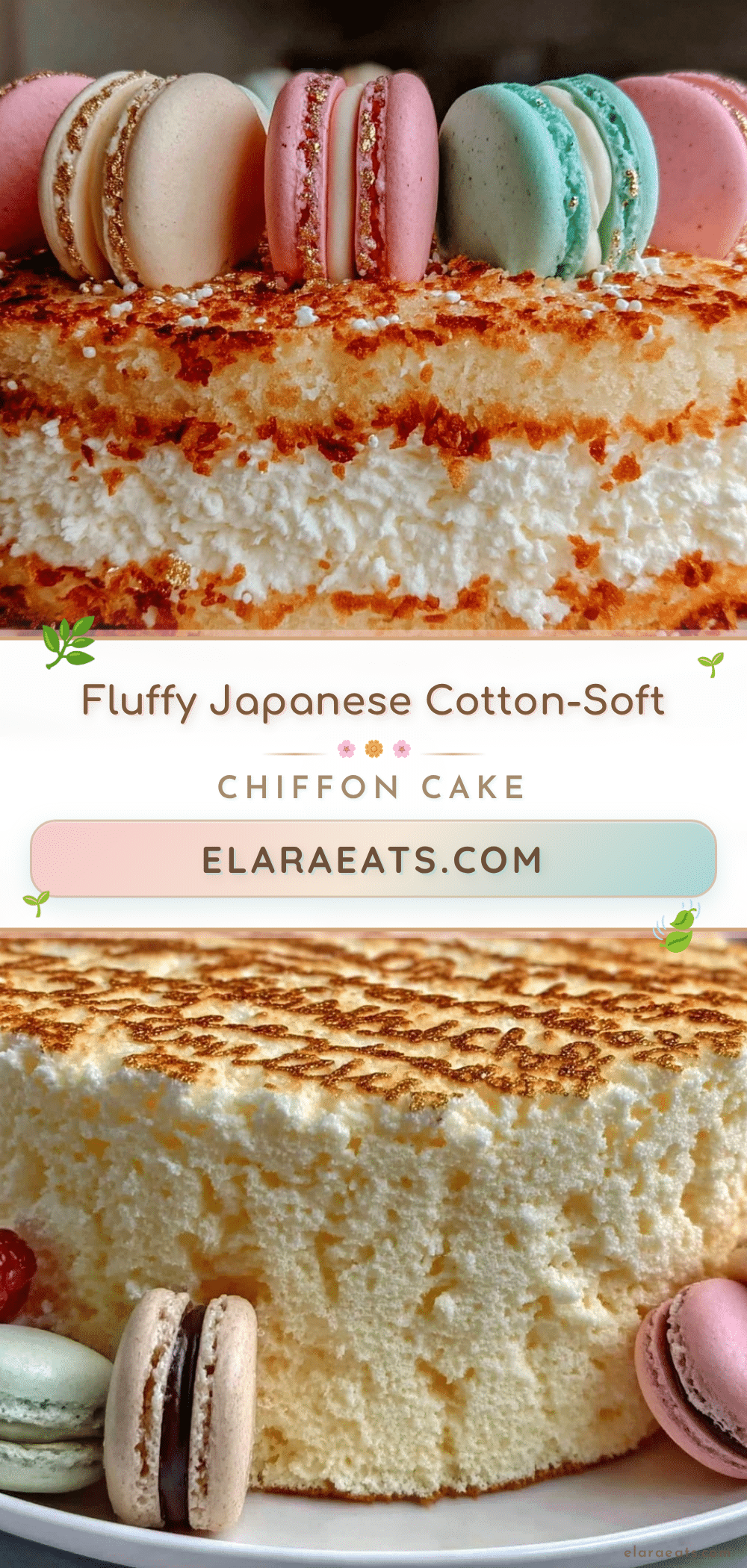
“The power went out halfway through baking this cake,” I confessed to my friend over coffee last Saturday. Honestly, I thought all was lost when my mixer stopped mid-whip, and the kitchen went dark — but hey, sometimes mishaps lead to magic. That night, I was trying to recreate the perfect Japanese cotton-soft chiffon graduation cake I’d once tasted at a tiny bakery tucked away in a quiet Tokyo neighborhood. The cake had this ethereal, almost weightless texture that felt like biting into a sweet cloud. Plus, the elegant gold calligraphy on top wasn’t just decoration—it told a story of celebration and new beginnings.
I managed to finish the cake by candlelight, and the result was surprisingly close to the original. Maybe you’ve been there—trying to pull off something special for a big moment, juggling a million things, and then the unexpected happens. But this chiffon cake stuck with me because it wasn’t just about the fluffiness or the delicate flavor; it was the feeling it gave everyone at the table. It felt like a hug, a celebration, a tiny masterpiece all at once.
Let me tell you, this recipe isn’t just another chiffon cake. It’s the one I keep going back to whenever there’s a reason to mark a milestone or just treat myself. And the gold calligraphy? It’s easier than you think, and it turns a humble cake into something truly unforgettable.
Why You’ll Love This Recipe
After baking and tweaking this Japanese cotton-soft chiffon graduation cake countless times, I can confidently say it’s a winner for many reasons. From its dreamy texture to the simple ingredients, it has that special something that keeps people coming back for more. Here’s what makes it stand out:
- Quick & Easy: The batter comes together in about 20 minutes, making it perfect for last-minute celebrations or unexpected guests.
- Simple Ingredients: You probably already have most of these in your pantry—no need for a special trip to a fancy store.
- Perfect for Graduations & Celebrations: Its lightness and elegance make it an ideal centerpiece for any milestone event.
- Crowd-Pleaser: Kids and adults alike adore the soft crumb and subtle sweetness.
- Unbelievably Delicious: The balance between airy sponge and moist crumb is just right, offering a melt-in-your-mouth experience.
What really makes this recipe different? It’s the technique—whipping the egg whites just right and folding them gently to keep the batter airy. Plus, the gold calligraphy tutorial adds a personal, artistic touch that makes the cake feel custom-made, even if you’re not a pro decorator. This isn’t just a cake; it’s a celebration on a plate, and honestly, I find myself closing my eyes after the first bite every single time.
What Ingredients You Will Need
This recipe uses simple, wholesome ingredients to deliver bold flavor and that signature cotton-soft texture without any fuss. Most are pantry staples, and a few tips will help you get the best results.
- For the Chiffon Cake:
- All-purpose flour, 1 cup (120g) – I recommend King Arthur for best texture
- Granulated sugar, 3/4 cup (150g), divided – use caster sugar if you want an extra fine crumb
- Eggs, 5 large, separated (room temperature)
- Milk, 1/2 cup (120ml), whole milk preferred for richness
- Vegetable oil, 1/3 cup (80ml) – a neutral oil like canola works well
- Baking powder, 1 tsp – fresh and active
- Vanilla extract, 1 tsp – pure vanilla for best aroma
- Cream of tartar, 1/4 tsp – helps stabilize the egg whites
- Salt, a pinch
- For the Gold Calligraphy:
- Edible gold dust or gold luster dust, 1/2 tsp
- Clear alcohol (vodka or clear lemon extract), 1/2 tsp – to mix with the dust for painting
- Fine food-safe paintbrush
- Optional Toppings:
- Whipped cream, lightly sweetened
- Fresh berries (strawberries, blueberries) – fresh, in season
- Powdered sugar for dusting
If you want a gluten-free option, almond flour can substitute for some of the all-purpose flour, but expect a slightly different texture. For a dairy-free version, swap milk with unsweetened almond or oat milk, and make sure your whipped cream alternative is stable.
Equipment Needed
- 10-inch chiffon cake pan with a removable bottom (a tube pan without non-stick coating works best to help the cake climb the walls)
- Electric mixer or stand mixer – to whip egg whites to stiff peaks
- Mixing bowls – one large for the batter, one clean and dry for egg whites
- Fine mesh sieve – for sifting flour and baking powder to avoid lumps
- Rubber spatula – for gentle folding of batter
- Measuring cups and spoons – precise measurements are key here
- Small paintbrush – for applying the gold calligraphy
If you don’t have a chiffon cake pan, a deep 9-inch round pan with tall sides will do, but the texture might differ slightly. I used to make this cake in a regular springform pan, but the sides weren’t tall enough, and it didn’t rise as beautifully. Also, keeping your beaters and mixing bowls completely grease-free is crucial for perfect meringue.
Preparation Method
- Preheat your oven to 325°F (163°C). Make sure the rack is in the middle position for even baking. Lightly grease the chiffon cake pan only if it’s non-stick; otherwise, leave it ungreased to help the cake cling and rise properly. (Time: 10 minutes)
- Sift together the dry ingredients: In a large bowl, sift 1 cup (120g) all-purpose flour, 1 tsp baking powder, and a pinch of salt. Set aside. Sifting is essential to prevent lumps and keep the cake light.
- Separate the eggs: Carefully separate 5 large eggs into two clean bowls, keeping yolks and whites apart. Ensure no yolk gets into the whites to help them whip properly.
- Prepare the wet mixture: To the egg yolks, add 1/3 cup (80ml) vegetable oil, 1/2 cup (120ml) milk, 1 tsp vanilla extract, and half of the sugar (3/8 cup or 75g). Whisk until smooth and combined.
- Combine wet and dry ingredients: Gradually add the sifted dry ingredients to the wet mixture, stirring gently until smooth. Avoid overmixing here; you want a light batter.
- Whip the egg whites: Add 1/4 tsp cream of tartar to the egg whites, then beat with an electric mixer on medium speed until foamy. Gradually add the remaining sugar (3/8 cup or 75g) and continue beating until stiff peaks form. The meringue should hold firm peaks without collapsing. (Tip: if your egg whites don’t whip up, it might be because of leftover fat or yolk, so double-check your bowls.)
- Fold the meringue into the batter: Using a rubber spatula, gently fold one-third of the egg whites into the batter to lighten it. Then fold in the remaining whites carefully to keep as much air as possible. This step is crucial for that cotton-soft texture.
- Pour the batter into the pan: Transfer the batter to your chiffon cake pan and smooth the top gently. Give the pan a few light taps on the counter to release any large air bubbles.
- Bake for 50-60 minutes: The cake should rise beautifully and turn golden. Insert a skewer into the center; it should come out clean. Avoid opening the oven door frequently to keep the temperature steady.
- Cool the cake upside down: Immediately invert the pan onto a wire rack or bottle neck to cool completely. This prevents the cake from collapsing and maintains its airy texture. (Let it cool for at least 1 hour.)
- Remove the cake from the pan: Run a thin knife around the edges and the tube center to loosen the cake gently. Transfer to a serving plate.
- Apply the gold calligraphy: Mix 1/2 tsp edible gold dust with 1/2 tsp clear alcohol to make a smooth paint. Using a fine brush, carefully write your message or design on the cake surface. Practice on parchment paper first if you’re nervous! Let it dry for a few minutes.
Note: If you want to add whipped cream or fresh berries, do so just before serving for the freshest taste.
Cooking Tips & Techniques
Whipping up the perfect chiffon cake feels like a balancing act, but there are a few tricks I’ve picked up that make all the difference:
- Egg whites matter: Use room temperature eggs for better volume. Cold whites don’t whip as well, and that leads to a denser cake.
- Gentle folding: Resist the urge to stir vigorously after adding egg whites. Folding gently keeps the batter airy—think of it like caressing rather than mixing.
- Pan preparation: Avoid greasing the pan if it’s not non-stick. The batter needs to cling to the sides to rise properly, or else your cake may sink.
- Oven temperature: Every oven is different. If your cake browns too quickly, tent it with foil halfway through baking.
- Cooling upside down: This is non-negotiable for chiffon cakes. Cooling upside down prevents the cake from deflating and keeps it fluffy.
- Gold calligraphy: Use a steady hand and minimal paint on your brush. If you mess up, gently wipe with a damp cloth and start again.
One time, I forgot the cream of tartar, and the egg whites never reached stiff peaks. The cake turned out dense and sad-looking—a good lesson in not skipping steps! Also, when multitasking, try prepping the dry and wet ingredients separately before whipping the whites; it speeds up the process and keeps you organized.
Variations & Adaptations
While this Japanese cotton-soft chiffon cake is wonderful as is, I’ve experimented with a few variations that might inspire you:
- Matcha Chiffon Cake: Add 1-2 tbsp of high-quality matcha powder to the dry ingredients for a subtly bitter, green tea twist that’s perfect for tea parties.
- Chocolate Twist: Substitute 2 tbsp of flour with cocoa powder for a light chocolate flavor. Pair with fresh raspberries for a fresh contrast.
- Dairy-Free Version: Use almond or oat milk and a dairy-free whipped cream. The texture is slightly different but still incredibly soft and moist.
- Flavor Infusions: Try adding a teaspoon of yuzu zest or orange blossom water for a fragrant note that complements the light cake beautifully.
For different cooking methods, this cake isn’t suitable for microwaving, but you can bake mini chiffon cakes in muffin tins at 325°F (163°C) for about 20 minutes. Just keep a close eye to avoid overbaking.
Personally, I once made a lavender-infused version that my friends absolutely adored—using culinary lavender and a touch of honey in the batter. It felt fancy but was surprisingly simple!
Serving & Storage Suggestions
This chiffon cake is best served at room temperature, allowing the delicate flavors and airy texture to shine. If you add whipped cream and berries, serve immediately to enjoy the freshest taste. For presentation, the gold calligraphy adds a beautiful, elegant touch that makes the cake look ready for a special celebration.
Complement the cake with green tea, light champagne, or a mild coffee to balance the sweetness. For a brunch, pairing it with fresh fruit salad works wonderfully.
To store, keep the cake covered in an airtight container at room temperature for up to 2 days. For longer storage, wrap tightly and freeze for up to 1 month. Thaw in the refrigerator and bring to room temperature before serving.
Reheating isn’t generally needed—this cake is best enjoyed fresh—but if you want a warm slice, a quick 10-second zap in the microwave can revive softness without drying it out.
Flavors tend to mellow and blend if you refrigerate overnight, making it a great make-ahead dessert for busy days.
Nutritional Information & Benefits
This chiffon cake is lighter than many traditional cakes due to the use of whipped egg whites and vegetable oil instead of butter. Here’s an estimated breakdown per slice (based on 12 servings):
| Calories | 150 |
|---|---|
| Fat | 7g |
| Carbohydrates | 20g |
| Protein | 3g |
| Sugar | 12g |
Eggs provide a good protein source, and the cake’s lightness means it’s less heavy on fats compared to butter-rich desserts. Using whole milk adds a touch of calcium and vitamin D. This recipe is naturally gluten-containing unless you substitute with gluten-free flour. It contains eggs and dairy, so keep an eye out for allergens.
From a wellness perspective, this cake fits nicely into balanced eating—satisfying sweet cravings without feeling overly rich or dense.
Conclusion
The perfect Japanese cotton-soft chiffon graduation cake isn’t just a dessert—it’s a slice of celebration wrapped in airy elegance. Whether you’re marking a milestone, surprising a loved one, or simply craving something light and special, this recipe delivers every time. The gold calligraphy adds that personal flair that makes the cake memorable and unique.
I love how this cake never fails to bring smiles, and honestly, it’s become my go-to for any occasion that calls for a little extra joy. Don’t be afraid to make it your own with flavors or decorations that speak to you.
Give this recipe a try and let me know how your cake turns out! Share your gold calligraphy stories or any creative twists you add—I’d love to hear all about it.
Happy baking and celebrating!
Frequently Asked Questions
What makes Japanese chiffon cake different from regular chiffon cake?
Japanese chiffon cake is known for its ultra-light, cotton-soft texture, achieved by carefully whipped egg whites and gentle folding, often with subtle flavorings like vanilla or citrus.
Can I use a regular cake pan instead of a chiffon pan?
You can, but for best results, use a tall-sided tube pan ungreased. This helps the cake rise evenly and prevents it from collapsing.
How do I fix a chiffon cake that sinks in the middle?
Common causes are underbaking, overmixing, or opening the oven door too early. Make sure to bake fully and cool the cake upside down to maintain structure.
Is the gold calligraphy edible and safe to eat?
Yes! Use edible gold dust mixed with clear alcohol or lemon extract specifically made for food decoration. Avoid non-edible craft paints.
Can I prepare this cake in advance?
Absolutely. Bake the cake a day ahead and store it covered at room temperature. Add whipped cream and calligraphy the day of serving for best freshness.
Pin This Recipe!
Perfect Japanese Cotton-Soft Chiffon Graduation Cake Recipe with Easy Gold Calligraphy Tutorial
A light and airy Japanese chiffon cake with a cotton-soft texture, perfect for celebrations and decorated with elegant edible gold calligraphy.
- Prep Time: 20 minutes
- Cook Time: 50-60 minutes
- Total Time: 1 hour 10 minutes to 1 hour 20 minutes
- Yield: 12 servings 1x
- Category: Dessert
- Cuisine: Japanese
Ingredients
- 1 cup (120g) all-purpose flour
- 3/4 cup (150g) granulated sugar, divided
- 5 large eggs, separated (room temperature)
- 1/2 cup (120ml) whole milk
- 1/3 cup (80ml) vegetable oil (neutral oil like canola)
- 1 tsp baking powder
- 1 tsp vanilla extract
- 1/4 tsp cream of tartar
- Pinch of salt
- 1/2 tsp edible gold dust or gold luster dust
- 1/2 tsp clear alcohol (vodka or clear lemon extract)
- Fine food-safe paintbrush
- Optional toppings: whipped cream (lightly sweetened), fresh berries (strawberries, blueberries), powdered sugar for dusting
Instructions
- Preheat oven to 325°F (163°C). Place rack in middle position. Lightly grease chiffon cake pan only if non-stick; otherwise leave ungreased.
- Sift together 1 cup all-purpose flour, 1 tsp baking powder, and a pinch of salt in a large bowl. Set aside.
- Separate 5 large eggs into two clean bowls, keeping yolks and whites apart. Ensure no yolk gets into whites.
- To egg yolks, add 1/3 cup vegetable oil, 1/2 cup milk, 1 tsp vanilla extract, and half the sugar (3/8 cup or 75g). Whisk until smooth.
- Gradually add sifted dry ingredients to wet mixture, stirring gently until smooth. Avoid overmixing.
- Add 1/4 tsp cream of tartar to egg whites. Beat with electric mixer on medium speed until foamy. Gradually add remaining sugar (3/8 cup or 75g) and beat until stiff peaks form.
- Gently fold one-third of egg whites into batter to lighten it. Then fold in remaining whites carefully to keep airiness.
- Pour batter into chiffon cake pan and smooth top. Tap pan lightly on counter to release large air bubbles.
- Bake for 50-60 minutes until cake rises and turns golden. Insert skewer in center; it should come out clean. Avoid opening oven door frequently.
- Immediately invert pan onto wire rack or bottle neck to cool completely for at least 1 hour to prevent collapsing.
- Run thin knife around edges and tube center to loosen cake. Transfer to serving plate.
- Mix 1/2 tsp edible gold dust with 1/2 tsp clear alcohol to make paint. Using fine brush, carefully write or paint calligraphy on cake surface. Let dry for a few minutes.
- Add whipped cream or fresh berries just before serving if desired.
Notes
[‘Use room temperature eggs for better volume.’, ‘Do not grease pan if not non-stick to help cake cling and rise.’, ‘Fold egg whites gently to keep batter airy.’, ‘Cool cake upside down to prevent collapsing.’, ‘If cake browns too quickly, tent with foil halfway through baking.’, ‘Practice gold calligraphy on parchment paper before applying to cake.’, ‘For gluten-free option, substitute some flour with almond flour; texture will differ.’, ‘For dairy-free, use almond or oat milk and dairy-free whipped cream alternative.’, ‘Keep beaters and bowls grease-free for perfect meringue.’, ‘If egg whites don’t whip, check for yolk contamination or fat residue.’]
Nutrition
- Serving Size: 1 slice (1/12 of cak
- Calories: 150
- Sugar: 12
- Fat: 7
- Carbohydrates: 20
- Protein: 3
Keywords: Japanese chiffon cake, cotton-soft cake, chiffon cake recipe, graduation cake, gold calligraphy cake, light cake, celebration cake