Love this? Save it for later!
Share the inspiration with your friends
My neighbor Jen wasn’t trying to impress anyone. I’d stopped by to borrow a bundt pan—mine had mysteriously vanished after a particularly chaotic Thanksgiving—and the smell hit me before I even got through the door. It was warm, spiced, almost buttery, but not like cookies I knew. It had this nutty, toasty undertone that stopped me mid-sentence. “What is that?” I asked, probably sounding a little too desperate. She just shrugged, wiping her hands on her jeans, and pointed to a cooling rack covered in these deeply golden cookies with a glossy, citrus-scented glaze drizzled over the top. “Oh, just some gingerbread thing I threw together,” she said. Just some gingerbread thing. I almost laughed. Let me tell you, there was nothing “just” about it.
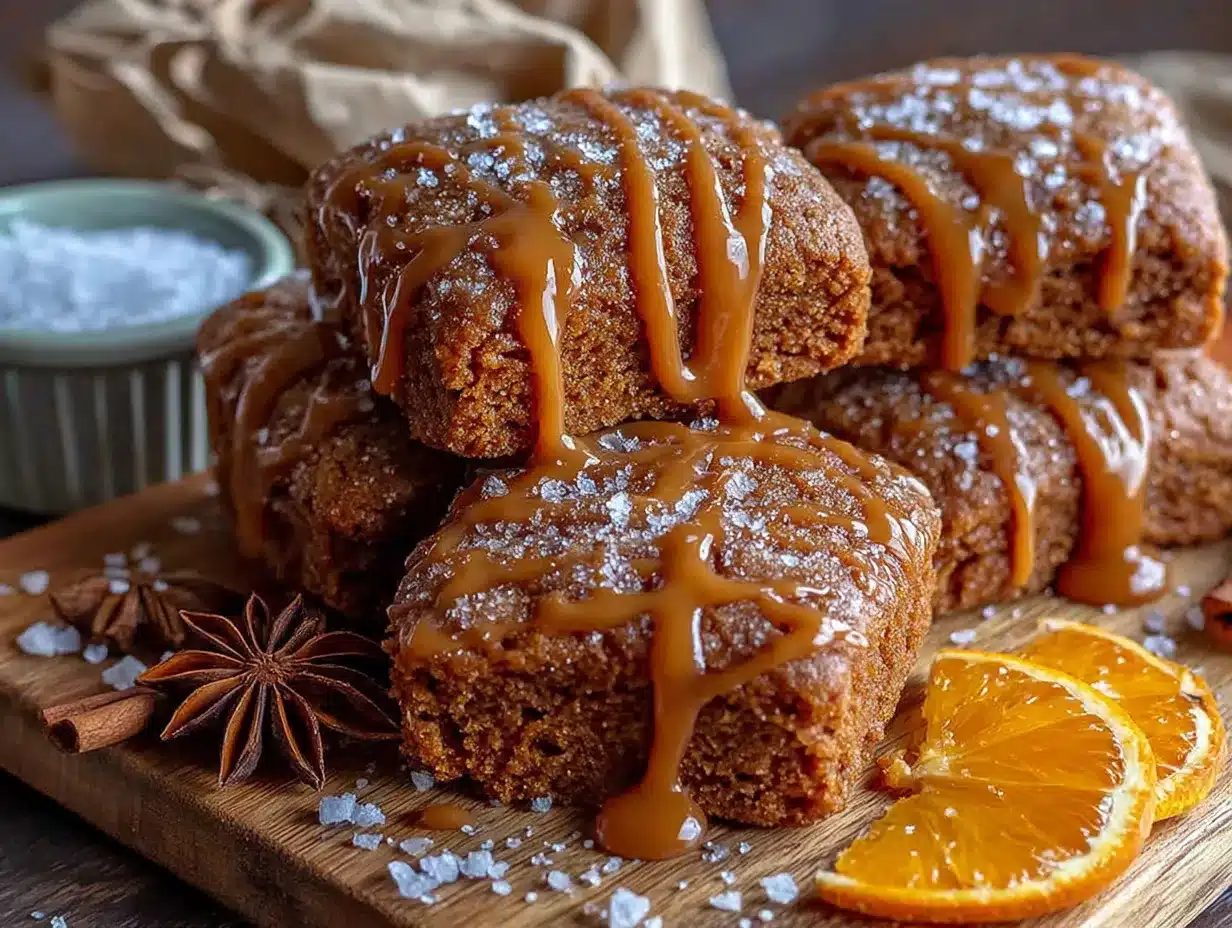
I stood there in her kitchen, holding my borrowed bundt pan, while she offered me one. The cookie was soft in the center with the slightest crunch at the edges, and the glaze—that orange glaze—was bright and tangy, cutting right through the warm, rich spice of the gingerbread. It was the brown butter, she explained, still casual, like it was no big deal. She’d browned the butter on a whim, something she’d read about online, and honestly, it changed everything. I mean, I’ve made gingerbread cookies before. We all have. But this was different. This was the kind of cookie that makes you close your eyes after the first bite, not because you’re being dramatic, but because you need a second to process what just happened.
Jen wasn’t a food blogger or a chef. She was just a mom who liked to bake on rainy Saturday afternoons. That’s what made it so special. She wasn’t trying to perfect a recipe for the world; she was just making something cozy for her family. And that, honestly, is where the best recipes come from. I asked for the recipe before I left, and she scribbled it on a sticky note—measurements approximate, instructions brief. It took me three tries to get it right, but now, these cozy brown butter gingerbread cookies with orange glaze are my go-to for everything from holiday cookie swaps to quiet December evenings with a cup of tea. You know that feeling when you find a recipe that feels like it was always meant to be yours? This is that recipe.
Why You’ll Love This Recipe
These cookies aren’t just another gingerbread recipe. They’re the result of a happy accident—browning the butter—that turns a classic into something truly special. I’ve tested this recipe more times than I can count, tweaking the spice blend and the glaze consistency until everything was just right. Here’s why I think you’re going to fall for them too:
- Deep, Nutty Flavor: Brown butter adds a toasty, caramel-like richness that regular butter just can’t match. It’s the secret to making these cookies taste like they came from a fancy bakery, not your home kitchen.
- Soft and Chewy Texture: These cookies stay soft in the center for days. No dry, crumbly gingerbread here. The molasses and brown butter work together to keep everything tender and delicious.
- Bright Orange Glaze: The glaze isn’t just for show. Fresh orange zest and juice cut through the warm spices with a burst of citrus that makes every bite balanced and bright.
- Perfect for the Holiday Season: Whether you’re baking for a cookie exchange, a cozy night in, or a holiday party, these cookies fit right in. They feel festive without being fussy.
- Simple Ingredients: You probably already have most of these in your pantry. No weird extracts or hard-to-find spices. Just good, honest ingredients that come together beautifully.
What makes this recipe different from the dozens of gingerbread recipes out there? It’s the brown butter, plain and simple. That one extra step—browning the butter until it’s fragrant and golden—adds a depth of flavor that makes these cookies unforgettable. I’ve made them for friends who swore they didn’t like gingerbread, and they went back for seconds. It’s that good. And honestly, it’s the kind of cookie that makes your whole house smell like the holidays the second it hits the oven.
What Ingredients You Will Need
This recipe uses simple, wholesome ingredients to deliver bold flavor and satisfying texture without the fuss. Most of these are pantry staples, but a few key players—like the brown butter and fresh orange—are what make these cookies stand out.
For the Brown Butter Gingerbread Cookies
- 1 cup (226g) unsalted butter – You’ll brown this first, so don’t skip it. I use Land O’Lakes for consistency, but any good-quality unsalted butter works. (The browning step is where the magic happens.)
- 1/2 cup (100g) granulated sugar – Adds sweetness and helps with spreading. Regular white sugar is fine.
- 1/2 cup (100g) packed dark brown sugar – Dark brown sugar has more molasses, which adds moisture and a deeper flavor. Light brown sugar works too, but dark is better here.
- 1/3 cup (80ml) molasses – Use unsulphured molasses for the best flavor. Blackstrap molasses is too bitter and will overpower the cookies. I like Grandma’s Molasses for a smooth, rich taste.
- 1 large egg – Room temperature, please. Cold eggs can seize the brown butter and mess up the texture.
- 1 teaspoon vanilla extract – Pure vanilla is best, but imitation works in a pinch. (Honestly, I’ve used both and couldn’t tell the difference in the final cookie.)
- 2 1/2 cups (315g) all-purpose flour – Spoon and level your flour. Scooping directly from the bag packs it down and gives you dry cookies.
- 1 teaspoon baking soda – Helps the cookies spread just a little and stay tender.
- 1/2 teaspoon salt – Balances the sweetness. I use fine sea salt.
- 2 teaspoons ground ginger – This is the star spice. Fresh ginger won’t work here, so stick with ground.
- 1 1/2 teaspoons ground cinnamon – Warm and familiar. It rounds out the ginger nicely.
- 1/2 teaspoon ground cloves – A little goes a long way. Too much and your cookies will taste like a Christmas candle.
- 1/4 teaspoon ground nutmeg – Freshly grated is amazing if you have it, but pre-ground is fine.
For the Orange Glaze
- 1 cup (120g) powdered sugar – Sifted to avoid lumps. Nobody wants a lumpy glaze.
- 2–3 tablespoons fresh orange juice – Fresh is non-negotiable here. Bottled juice lacks the brightness you need.
- 1 teaspoon fresh orange zest – This is where the real orange flavor lives. Don’t skip it.
- Pinch of salt – Just a tiny pinch to balance the sweetness.
Ingredient Tips and Substitutions
If you’re out of dark brown sugar, you can use light brown sugar with a teaspoon of molasses stirred in. For a dairy-free version, use vegan butter—just know the browning step might not work as well since vegan butter has a different fat content. I’ve tried it with Miyoko’s and it was okay, but not as rich. For a gluten-free option, swap the all-purpose flour for a 1:1 gluten-free baking flour. I recommend King Arthur Measure for Measure. The texture will be slightly different, but still delicious.
Equipment Needed
You don’t need a ton of fancy equipment for these cookies, which is one of the reasons I love making them. Here’s what you’ll need:
- Heavy-bottomed saucepan – For browning the butter. A light-colored pan helps you see the color change. I use my trusty stainless steel saucepan, but a non-stick works too.
- Mixing bowls – One large and one medium. Glass or stainless steel is fine.
- Whisk and wooden spoon – A whisk for the dry ingredients and a wooden spoon for mixing the dough. A spatula works too, but I find the wooden spoon gives me better control.
- Baking sheets – Two or three, depending on how many cookies you’re making. I like light-colored aluminum sheets for even baking. Dark sheets can over-brown the bottoms.
- Parchment paper or silicone baking mats – Parchment paper is easier for cleanup, but silicone mats are reusable and work beautifully.
- Cooling rack – Essential for letting the glaze set without getting soggy bottoms.
- Cookie scoop (optional) – A 1.5-tablespoon scoop makes uniform cookies. I’ve used a regular spoon in a pinch, and it works, but the scoop is worth it for even baking.
- Microplane or fine grater – For zesting the orange. A box grater works too, but a microplane gives you finer zest that melts into the glaze.
If you don’t have a heavy-bottomed saucepan, you can brown the butter in a regular pan—just keep a close eye on it. It burns faster in thin pans. And if you don’t have a cooling rack, you can let the cookies cool on the baking sheet, but the glaze might pool a little. It’s not the end of the world, honestly.
Preparation Method
Let’s get baking. This recipe comes together in about 45 minutes, plus chilling time. The dough needs at least an hour in the fridge, so plan ahead. I like to make the dough the night before and bake the next day—it’s a great way to break up the process.
- Brown the butter. Place the 1 cup of unsalted butter in a heavy-bottomed saucepan over medium heat. Stir occasionally with a wooden spoon or whisk. The butter will melt, foam, and then start to crackle. After a few minutes, the foam will subside, and you’ll see golden-brown specks forming at the bottom of the pan. The butter will smell nutty and toasty—like toasted hazelnuts. This takes about 5-7 minutes. Once it’s a deep amber color, remove it from the heat immediately and pour it into a heatproof bowl. Let it cool for 10-15 minutes. Don’t skip the cooling step, or it will cook the egg later.
- Mix the wet ingredients. In a large bowl, whisk together the cooled brown butter, granulated sugar, and dark brown sugar. It should look like wet sand. Add the molasses, egg, and vanilla extract. Whisk until smooth and well combined. The mixture will be thick and glossy. If it looks separated, keep whisking—it will come together.
- Combine the dry ingredients. In a separate medium bowl, whisk together the flour, baking soda, salt, ground ginger, cinnamon, cloves, and nutmeg. Make sure there are no clumps of baking soda. I always give it an extra whisk just to be safe.
- Make the dough. Gradually add the dry ingredients to the wet ingredients, stirring with a wooden spoon until just combined. Don’t overmix. Overmixing develops gluten and makes the cookies tough. You want a soft, slightly sticky dough. If it feels too dry, add a teaspoon of milk. If it’s too sticky, add a tablespoon of flour. It should hold together when pressed.
- Chill the dough. Cover the bowl with plastic wrap and refrigerate for at least 1 hour, or up to 3 days. Chilling is crucial. It solidifies the brown butter, prevents the cookies from spreading too much, and deepens the flavors. I once skipped the chill and ended up with flat, greasy cookies. Don’t be me.
- Preheat and prepare. When you’re ready to bake, preheat your oven to 350°F (175°C). Line two baking sheets with parchment paper or silicone mats.
- Scoop and shape. Use a 1.5-tablespoon cookie scoop to portion the dough. Roll each portion into a smooth ball between your palms. Place them 2 inches apart on the prepared baking sheets. They will spread a little, so give them room.
- Bake. Bake for 10-12 minutes, rotating the pans halfway through. The cookies should be set around the edges but still soft in the center. They will look slightly puffed and cracked on top. Don’t overbake—they continue to set on the baking sheet. I’ve pulled them at 11 minutes for a soft, chewy cookie.
- Cool. Let the cookies cool on the baking sheet for 5 minutes. This allows them to firm up without breaking. Then transfer them to a cooling rack to cool completely before glazing. Warm cookies will melt the glaze into a puddle.
- Make the glaze. While the cookies cool, make the orange glaze. In a small bowl, whisk together the sifted powdered sugar, 2 tablespoons of fresh orange juice, the orange zest, and a pinch of salt. Whisk until smooth. If it’s too thick, add another teaspoon of orange juice. If it’s too thin, add a little more powdered sugar. The glaze should be thick but pourable—like honey.
- Glaze the cookies. Once the cookies are completely cool, drizzle the glaze over the tops using a spoon or a piping bag. I like to use a spoon for a rustic look. Let the glaze set for about 30 minutes before stacking or storing. If you’re impatient, you can pop them in the fridge for 15 minutes.
Cooking Tips & Techniques
I’ve made these cookies more times than I can count, and I’ve learned a few things along the way. Here are my best tips for getting them right every time.
Watch the butter like a hawk. Brown butter goes from perfect to burnt in seconds. Once you see those golden specks and smell that nutty aroma, pull it off the heat. I once got distracted by a phone call and ended up with black butter. It smelled terrible, and I had to start over. Set a timer if you need to.
Use a light-colored pan for browning. Dark pans make it hard to see the color change. I learned this the hard way. A stainless steel or light non-stick pan gives you a clear view of the butter’s transformation.
Don’t skip the chill. I know it’s tempting to rush, but the dough needs time to firm up. Warm dough spreads into thin, greasy cookies. Chilled dough gives you thick, chewy cookies with defined edges. Trust me on this one.
Measure your flour correctly. Spoon the flour into your measuring cup and level it with a knife. Scooping directly from the bag packs in extra flour, which leads to dry, crumbly cookies. I’ve done it both ways, and the difference is noticeable.
Rotate your pans. Ovens have hot spots. Rotating the pans halfway through baking ensures even browning. I always forget to do this, and my first batch is always darker on one side. When I remember, the cookies come out perfect.
Let the glaze set completely. If you stack the cookies before the glaze is dry, you’ll end up with a sticky, smeared mess. Give it at least 30 minutes. I usually make the glaze while the cookies cool, then let it set while I clean up the kitchen.
Room temperature ingredients matter. The egg should be at room temperature so it emulsifies properly with the brown butter. Cold egg can seize the butter and create a grainy dough. Just leave the egg on the counter for 30 minutes before you start.
Variations & Adaptations
One of the best things about this recipe is how easy it is to adapt. Here are a few variations I’ve tried and loved.
Spiced Orange Glaze
Add a pinch of cinnamon or cardamom to the glaze for an extra layer of warmth. I tried this last Christmas, and it was a hit. The cardamom adds a slightly floral note that pairs beautifully with the orange.
Chocolate-Dipped Gingerbread
Skip the orange glaze and dip half of each cooled cookie in melted dark chocolate. Let the chocolate set on parchment paper. The bitterness of the dark chocolate contrasts perfectly with the sweet, spiced cookie. I did this for a cookie exchange, and they disappeared first.
Vegan Version
Use vegan butter (like Miyoko’s or Earth Balance) and a flax egg (1 tablespoon ground flaxseed mixed with 3 tablespoons water, let sit for 5 minutes). The texture will be slightly less tender, but the flavor is still amazing. I’ve made these for vegan friends, and they were a hit.
Gluten-Free Option
Substitute the all-purpose flour with a 1:1 gluten-free baking flour. I’ve used Bob’s Red Mill and King Arthur Measure for Measure with good results. The cookies will be a little more delicate, so handle them gently. Add an extra tablespoon of flour if the dough feels too sticky.
Spice It Up
Add a pinch of black pepper or cayenne to the dough for a subtle kick. It sounds weird, but the heat plays off the sweetness and spice beautifully. I tried it on a whim and now I can’t stop.
Serving & Storage Suggestions
These cookies are best served at room temperature with a cup of hot coffee, chai tea, or a glass of cold milk. The orange glaze adds a brightness that makes them perfect for afternoon tea or a holiday dessert table. I love serving them alongside a simple vanilla ice cream for an easy but impressive dessert.
Storage: Store the cookies in an airtight container at room temperature for up to 5 days. Place a sheet of parchment paper between layers to prevent the glaze from sticking. They actually get better on day two—the spices mellow and the flavors meld together.
Freezing: You can freeze the baked, unglazed cookies for up to 3 months. Wrap them tightly in plastic wrap and place them in a freezer-safe bag. When you’re ready to serve, thaw them at room temperature, then make the glaze fresh. I’ve also frozen the dough balls—just scoop them, freeze them on a baking sheet, then transfer to a bag. Bake from frozen, adding 2-3 minutes to the baking time.
Reheating: If you like warm cookies, pop one in the microwave for 10-15 seconds. The glaze will soften a little, but it’s still delicious. I wouldn’t recommend reheating in the oven—it dries them out.
Flavor development: The spiced flavor actually deepens after a day or two. If you can resist eating them all at once, you’ll be rewarded with even better cookies on day three. I’ve made a batch on a Sunday and enjoyed them all week.
Nutritional Information & Benefits
Let’s be honest—these are cookies, not health food. But they do have a few redeeming qualities. Here’s the approximate nutritional breakdown per cookie (based on 24 cookies):
- Calories: 185
- Fat: 9g
- Carbohydrates: 25g
- Sugar: 15g
- Protein: 2g
- Fiber: 0.5g
Ginger is known for its anti-inflammatory properties and can help with digestion. Molasses is a good source of iron, calcium, and magnesium—much more nutritious than refined sugar. And the orange zest provides a tiny dose of vitamin C. So while these aren’t exactly a health food, they’re not empty calories either. They’re a treat made with real ingredients, and that counts for something.
If you’re watching your sugar intake, you can reduce the granulated sugar to 1/3 cup, but the cookies will be less tender. I’ve tried it, and they’re still good—just a little more cake-like. For a lower-fat option, you can replace half the butter with applesauce, but you’ll lose the brown butter flavor. Honestly, I’d rather have one really good cookie than two mediocre ones.
Conclusion
These cozy brown butter gingerbread cookies with orange glaze are everything I want in a holiday cookie—warm, spiced, rich, and bright all at once. They came from a casual afternoon at my neighbor’s house, and now they’ve become a staple in my own kitchen. Every time I make them, I think of Jen and her sticky note recipe, and I smile.
I hope you give these cookies a try. Don’t be afraid to make them your own—add extra ginger, swap the glaze for chocolate, or double the batch because trust me, one batch won’t be enough. Baking should be fun, not stressful. So put on some music, pour yourself a cup of tea, and enjoy the process.
If you make these cookies, I’d love to hear about it. Leave a comment below and let me know how they turned out. Did you try a variation? Did your family love them? Share your stories—I read every single one. And if you’re looking for more cozy recipes, check out my crispy garlic chicken for a savory option, or my soft sugar cookies for another sweet treat. Happy baking, friends!
Frequently Asked Questions
Can I use salted butter instead of unsalted?
Yes, you can. Just reduce the added salt in the recipe to 1/4 teaspoon. The cookies might be slightly saltier, but it honestly works well with the sweet glaze. I’ve done it when I ran out of unsalted butter, and they were delicious.
Why did my cookies spread too much?
This usually happens when the dough wasn’t chilled long enough or the butter was too warm when mixed. Make sure your brown butter is cooled to room temperature before adding the egg, and chill the dough for at least an hour. If your kitchen is warm, pop the dough in the fridge for 30 minutes before scooping.
Can I make the dough ahead of time?
Absolutely. You can refrigerate the dough for up to 3 days. Just wrap it tightly in plastic wrap so it doesn’t dry out. You can also freeze the dough balls for up to 3 months. Bake from frozen, adding a couple of minutes to the baking time.
How do I get a smooth, glossy glaze?
Sift your powdered sugar first. Lumps in the sugar create a bumpy glaze. Also, use fresh orange juice—bottled juice is thinner and can make the glaze runny. Whisk vigorously until the glaze is smooth and thick enough to coat the back of a spoon.
Can I use a different citrus for the glaze?
Sure! Lemon, lime, or even grapefruit would work beautifully. Lemon is especially nice—it gives a brighter, tarter flavor that pairs well with the ginger. Just use the same amount of juice and zest from your chosen citrus.
Pin This Recipe!
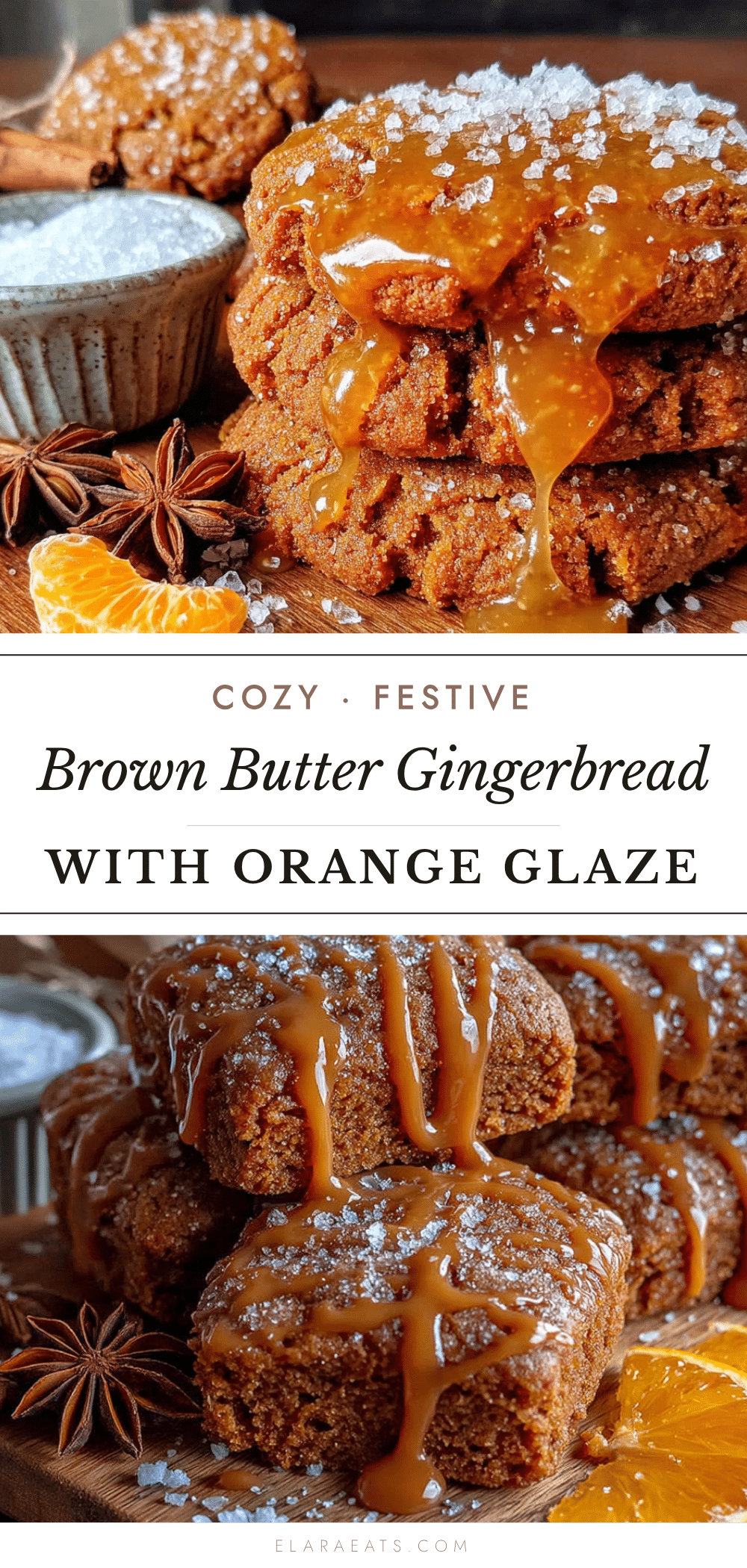
Cozy Brown Butter Gingerbread Cookies with Orange Glaze
These soft and chewy gingerbread cookies feature nutty brown butter and a bright orange glaze, making them a cozy holiday treat that’s anything but ordinary.
- Prep Time: 15 minutes
- Cook Time: 12 minutes
- Total Time: 1 hour 27 minutes (including chilling)
- Yield: 24 cookies 1x
- Category: Dessert
- Cuisine: American
Ingredients
- 1 cup (226g) unsalted butter
- 1/2 cup (100g) granulated sugar
- 1/2 cup (100g) packed dark brown sugar
- 1/3 cup (80ml) molasses
- 1 large egg, room temperature
- 1 teaspoon vanilla extract
- 2 1/2 cups (315g) all-purpose flour
- 1 teaspoon baking soda
- 1/2 teaspoon salt
- 2 teaspoons ground ginger
- 1 1/2 teaspoons ground cinnamon
- 1/2 teaspoon ground cloves
- 1/4 teaspoon ground nutmeg
- 1 cup (120g) powdered sugar, sifted
- 2–3 tablespoons fresh orange juice
- 1 teaspoon fresh orange zest
- Pinch of salt
Instructions
- Brown the butter: Place 1 cup unsalted butter in a heavy-bottomed saucepan over medium heat. Stir occasionally until melted, foamy, and golden-brown specks appear, about 5-7 minutes. Remove from heat and pour into a heatproof bowl. Let cool for 10-15 minutes.
- Mix wet ingredients: In a large bowl, whisk together cooled brown butter, granulated sugar, and dark brown sugar until combined. Add molasses, egg, and vanilla extract. Whisk until smooth and glossy.
- Combine dry ingredients: In a separate medium bowl, whisk together flour, baking soda, salt, ground ginger, cinnamon, cloves, and nutmeg.
- Make the dough: Gradually add dry ingredients to wet ingredients, stirring with a wooden spoon until just combined. Dough should be soft and slightly sticky.
- Chill the dough: Cover bowl with plastic wrap and refrigerate for at least 1 hour, or up to 3 days.
- Preheat and prepare: Preheat oven to 350°F (175°C). Line two baking sheets with parchment paper or silicone mats.
- Scoop and shape: Use a 1.5-tablespoon cookie scoop to portion dough. Roll into smooth balls and place 2 inches apart on prepared baking sheets.
- Bake: Bake for 10-12 minutes, rotating pans halfway through. Cookies should be set around edges but soft in center. Cool on baking sheet for 5 minutes, then transfer to a cooling rack to cool completely.
- Make the glaze: In a small bowl, whisk together sifted powdered sugar, 2 tablespoons fresh orange juice, orange zest, and a pinch of salt. Add more juice if needed for a thick but pourable consistency.
- Glaze the cookies: Once cookies are completely cool, drizzle glaze over tops using a spoon or piping bag. Let set for about 30 minutes before serving.
Notes
Chilling the dough is crucial to prevent spreading. Brown butter can burn quickly, so watch it closely. For best flavor, make the dough a day ahead. Cookies keep in an airtight container at room temperature for up to 5 days.
Nutrition
- Serving Size: 1 cookie
- Calories: 185
- Sugar: 15
- Sodium: 120
- Fat: 9
- Saturated Fat: 5
- Carbohydrates: 25
- Fiber: 0.5
- Protein: 2
Keywords: brown butter gingerbread cookies, orange glaze, holiday cookies, soft gingerbread, chewy gingerbread