Love this? Save it for later!
Share the inspiration with your friends
I was at the farmers’ market last October, hovering by the apple bin like I always do, when the woman running the stall—Marta, I later learned her name was—watched me pick up and put down the same Honeycrisp three times. She didn’t say anything at first. She just let me be indecisive, which honestly, I appreciated. Then she reached into a crate under her table and pulled out a misshapen apple, slightly bruised on one side, and handed it to me. “This one,” she said, “is for baking. The ugly ones always are.” She told me her grandmother used to make a cake with apple cider and caramel every fall, but it was always too heavy, too sweet, too much of everything. Marta said she’d been trying to lighten it up for years without losing the soul of it. I told her I’d give it a shot, and she laughed like she didn’t quite believe me.
That conversation stuck with me longer than the apple did. I mean, I ate that apple on the walk home, and it was fantastic. But the idea of a lighter apple cider cake—one that still felt like a hug but didn’t put you in a food coma—that stayed. I spent the next few weekends in my kitchen, messing up batch after batch. One attempt was so dry I used it as a doorstop. Another was so dense it could have doubled as a paperweight. But somewhere around attempt number four, it clicked. The trick, I realized, was swapping out some of the heavy butter for Greek yogurt and using just enough apple cider to get that tangy-sweet flavor without making the batter weepy. And the caramel? I reduced it down to just a ribbon through the middle instead of drowning the whole thing. You know that feeling when you finally get a recipe right and you just stand there in your kitchen, fork in hand, nodding to yourself? That was this cake. Marta was right—the ugly apples really are the best for baking.
Why You’ll Love This Recipe
Let me tell you what makes this Lighter Apple Cider Caramel Cake with Cinnamon Buttercream different from every other fall cake you’ve pinned and forgotten about. It’s not just another seasonal dessert that looks good on a screen but disappoints on a plate. This one delivers on every single promise.
- Quick & Easy: From start to finish, you’re looking at about an hour. That’s mixing, baking, cooling, and frosting. Perfect for a Tuesday night craving or a last-minute weekend gathering.
- Simple Ingredients: I’m not sending you on a wild goose chase for obscure specialty items. You probably have most of this in your pantry right now. The apple cider might be the only thing you need to grab, and it’s everywhere in the fall.
- Perfect for Fall Gatherings: This cake was born for Thanksgiving dessert tables, Friendsgiving dinners, and cozy Sunday afternoons when you want something special but don’t want to spend all day in the kitchen.
- Crowd-Pleaser: I’ve served this to kids, adults, picky eaters, and people who “don’t really like cake.” It disappears every single time. The cinnamon buttercream is the real MVP here—it’s not too sweet, just creamy and spiced.
- Unbelievably Delicious: The texture is where this cake shines. It’s moist without being heavy, tender without being crumbly, and that caramel ribbon running through the middle? It’s like finding a hidden treasure in every slice.
What makes this version different from every other apple cider cake out there is the balance. Most recipes lean hard on butter and sugar, making them taste great but sit like a brick in your stomach. This one uses Greek yogurt to keep things light and tender, a modest amount of real butter for flavor, and just enough caramel to feel indulgent without going overboard. It’s comfort food reimagined—healthier, faster, but with the same soul-soothing satisfaction. Honestly, this is the kind of cake that makes you close your eyes after the first bite. It’s that good.
What Ingredients You Will Need
This recipe uses simple, wholesome ingredients to deliver that deep apple cider flavor and creamy cinnamon finish without any fuss. Most of these are pantry staples, so you’re probably already halfway there.
For the Cake
- 1 ½ cups all-purpose flour (spooned and leveled—don’t scoop straight from the bag or you’ll pack it too tight)
- 1 teaspoon baking powder
- ½ teaspoon baking soda
- ½ teaspoon salt
- 1 teaspoon ground cinnamon
- ¼ teaspoon ground nutmeg (freshly grated if you have it, but pre-ground works fine)
- ½ cup unsalted butter, softened (I use Kerrygold for the richness, but any good butter works)
- ¾ cup granulated sugar
- 2 large eggs, room temperature (this really matters—cold eggs will make the batter seize up)
- 1 teaspoon vanilla extract
- ½ cup plain Greek yogurt (full-fat or 2% works best; avoid non-fat as it can make the cake dry)
- ½ cup apple cider (unfiltered is best for flavor, but any apple cider works)
For the Caramel Swirl
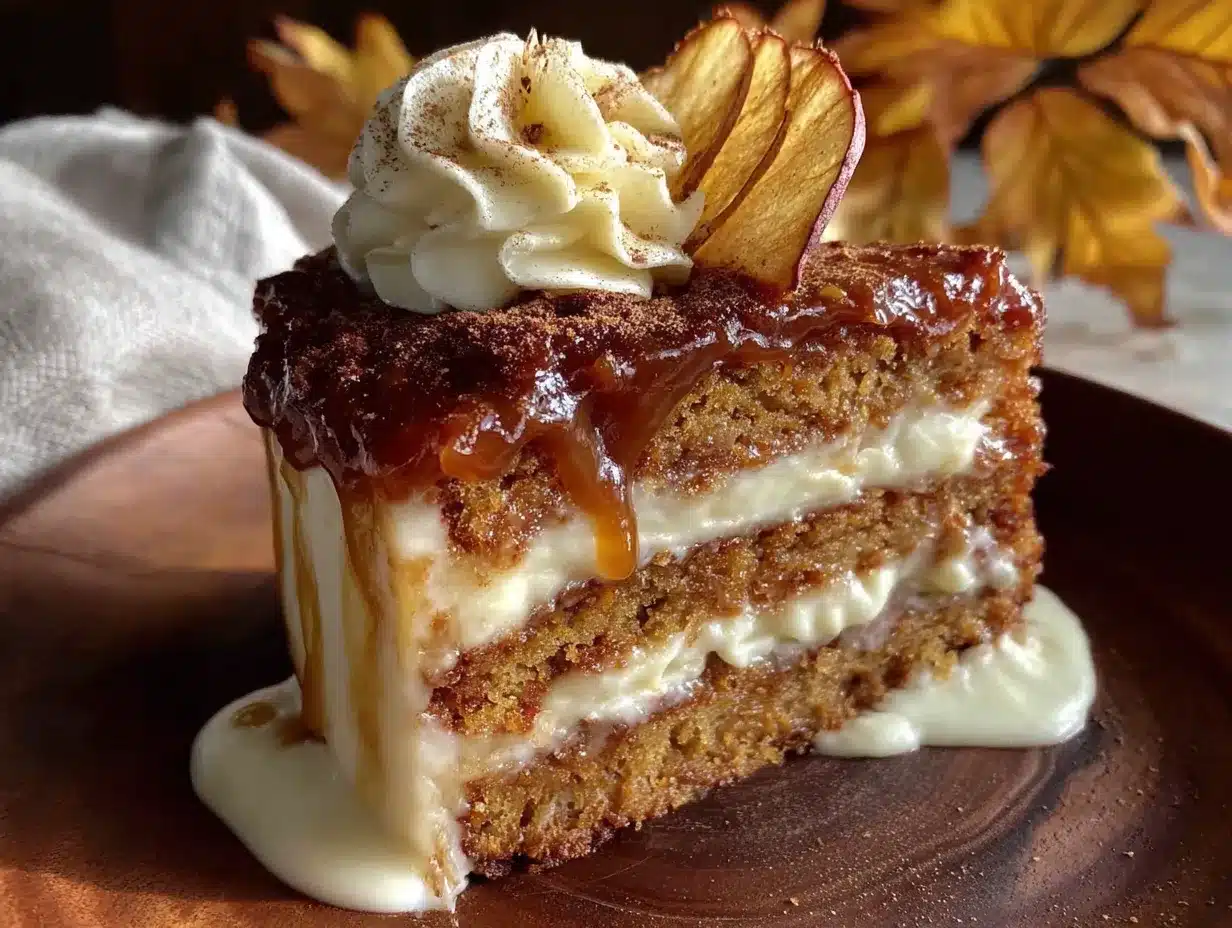
- ¼ cup store-bought or homemade caramel sauce (look for one that’s thick, not runny—I like the Trader Joe’s fleur de sel caramel for this)
- 1 tablespoon all-purpose flour (this helps keep the caramel from sinking to the bottom)
For the Cinnamon Buttercream
- ½ cup unsalted butter, softened
- 2 cups powdered sugar
- 1 teaspoon ground cinnamon
- 2 tablespoons milk (any kind works, but whole milk gives the creamiest result)
- ½ teaspoon vanilla extract
- Pinch of salt
Equipment Needed
You don’t need a professional bakery setup for this one. Here’s what you’ll need:
- 9-inch round cake pan (I prefer a light-colored metal pan for even browning; dark pans can make the edges cook too fast)
- Parchment paper (cut a circle for the bottom of the pan—trust me, this saves so much frustration)
- Electric hand mixer or stand mixer (you can do this by hand, but your arm will thank you for using a mixer)
- Large mixing bowls (at least two)
- Whisk and rubber spatula
- Cooling rack
- Small saucepan (if you’re making the caramel swirl from scratch)
- Offset spatula (for frosting—a butter knife works too, but the offset spatula makes it look so much prettier)
If you don’t have a 9-inch round pan, an 8-inch square pan works too—just adjust the baking time by about 5 minutes and check for doneness early. And if you’re really in a pinch, you can use a loaf pan, but you’ll need to bake it longer, around 45-50 minutes.
Preparation Method
Preheat your oven to 350°F (175°C). Grease your 9-inch round cake pan and line the bottom with a circle of parchment paper. This step is non-negotiable if you want the cake to release cleanly. I learned this the hard way after a particularly tragic cake that refused to leave its pan.
- Mix the dry ingredients: In a medium bowl, whisk together the flour, baking powder, baking soda, salt, cinnamon, and nutmeg. Set this aside. Make sure there are no lumps—cinnamon especially likes to clump up.
- Cream the butter and sugar: In a large bowl, beat the softened butter and granulated sugar together until light and fluffy, about 3-4 minutes with an electric mixer. You want it to look pale and airy. Scrape down the sides of the bowl halfway through.
- Add the eggs and vanilla: Beat in the eggs one at a time, making sure each is fully incorporated before adding the next. Then add the vanilla extract. Don’t rush this step—if the mixture looks curdled, your eggs were probably too cold. Let them sit out for 20 minutes next time.
- Alternate dry and wet ingredients: With the mixer on low speed, add about a third of the flour mixture, then half of the Greek yogurt, then another third of the flour, then the remaining yogurt, and finish with the last of the flour. Mix just until combined—overmixing will make the cake tough. The batter should be thick and scoopable, not runny.
- Add the apple cider: Gently fold in the apple cider with a rubber spatula. The batter will look a little looser now, which is exactly what you want. It should smell amazing at this point—like fall in a bowl.
- Prepare the caramel swirl: In a small bowl, stir the caramel sauce with 1 tablespoon of flour. This little trick keeps the caramel from sinking to the bottom of the cake while it bakes. I read about this in a baking forum and it changed my caramel-swirl game completely.
- Layer the batter and caramel: Pour half the batter into the prepared pan and spread it evenly. Dollop half the caramel mixture over the batter and use a knife to swirl it gently—don’t overdo it or you’ll lose the distinct ribbons. Add the remaining batter, then the remaining caramel, and swirl again.
- Bake: Place the pan in the center of the oven and bake for 30-35 minutes, or until a toothpick inserted in the center comes out clean or with just a few moist crumbs. The top should be golden brown and spring back when you touch it lightly.
- Cool completely: Let the cake cool in the pan for 10 minutes, then run a knife around the edges and turn it out onto a cooling rack. Peel off the parchment paper and let it cool completely before frosting. This is crucial—warm cake will melt your buttercream into a sad puddle.
- Make the cinnamon buttercream: While the cake cools, beat the softened butter until creamy, about 2 minutes. Gradually add the powdered sugar and cinnamon, beating on low speed to avoid a sugar cloud. Add the milk, vanilla, and salt, then beat on medium-high for 3-4 minutes until light and fluffy. If it’s too thick, add another splash of milk. Too thin, add a little more powdered sugar.
- Frost and serve: Once the cake is completely cool, spread the cinnamon buttercream over the top and sides. I like to leave the sides a little rustic so you can see the caramel swirls peeking through. Slice and serve with a warm cup of coffee or cider.
Cooking Tips & Techniques
I’ve made this cake about a dozen times now, and I’ve learned a few things the hard way so you don’t have to. Here are the tips that actually matter:
Room temperature ingredients are not optional. I know, I know, everyone says this and it feels like a suggestion. But cold eggs and cold yogurt will make your batter seize up and your cake will bake unevenly. Set everything out on the counter 30 minutes before you start. Your future self will thank you.
Don’t overmix the batter. Once you add the flour, mix just until you don’t see any more white streaks. Overmixing develops the gluten and makes the cake tough and dense. We want tender, not tough. A few lumps are totally fine—they’ll bake out.
The caramel swirl technique matters. I ruined my first two attempts by swirling too aggressively. The caramel just disappeared into the batter and I ended up with a plain cake with vague brown streaks. Use a light hand—just three or four figure-eight motions with a knife is plenty. You want distinct pockets of caramel, not a uniform color.
Check for doneness at 28 minutes. Ovens vary wildly, and nothing is sadder than an overbaked cake. Start checking early. The toothpick test is reliable, but I also like to gently press the top—if it springs back, it’s done. If your finger leaves a dent, give it a few more minutes.
Let the cake cool completely. I know it’s tempting to frost a warm cake because you’re impatient (I am too), but warm cake + buttercream = a melty disaster. Give it a full hour on the cooling rack. Use that time to make the buttercream and clean up your kitchen.
Variations & Adaptations
One of the things I love about this recipe is how flexible it is. Here are some variations I’ve tried and loved:
Gluten-Free Version: Swap the all-purpose flour for a good 1:1 gluten-free baking flour blend. I’ve had great results with King Arthur’s Measure for Measure. Add an extra tablespoon of Greek yogurt to compensate for the drier texture of gluten-free flours.
Dairy-Free Adaptation: Use vegan butter sticks (not tub margarine, which has too much water) and a dairy-free yogurt like coconut or almond-based. For the buttercream, vegan butter works but the texture will be slightly softer—chill the frosted cake for 15 minutes before serving.
Apple Cider Reduction: For an even more intense apple flavor, simmer 1 cup of apple cider over medium heat until it reduces to ¼ cup, about 10-12 minutes. Let it cool completely before adding it to the batter. This concentrates the flavor beautifully but the cake will be slightly denser.
Spice It Up: Add ¼ teaspoon of ground ginger or cardamom to the flour mixture for a more complex spice profile. I did this for a Friendsgiving potluck and got asked for the recipe three times.
Apple Chunks: Fold in ½ cup of finely diced fresh apple (peeled) into the batter before adding the caramel swirl. It adds little pockets of tender apple throughout the cake. Just make sure the pieces are small—no bigger than a pea—or they’ll sink to the bottom.
Serving & Storage Suggestions
This cake is best served at room temperature, which means you can make it a few hours ahead and just let it sit on the counter. The cinnamon buttercream softens slightly as it warms, making every bite incredibly creamy. I like to serve it with a hot mug of spiced chai or a simple black coffee—the bitterness balances the sweetness perfectly.
For presentation, I dust the top with a little extra cinnamon and maybe a few thin apple slices arranged in a fan pattern. It looks fancy but takes about 30 seconds. If you’re feeling extra, drizzle a little more caramel sauce over each slice just before serving.
Storage: Leftover cake keeps beautifully in an airtight container at room temperature for up to 3 days. The flavors actually deepen overnight—the apple cider and cinnamon meld together into something even more delicious. If your kitchen is warm, you can store it in the fridge, but let slices come to room temperature before eating for the best texture.
Freezing: This cake freezes wonderfully. Wrap the unfrosted cake tightly in plastic wrap, then in foil, and freeze for up to 3 months. When you’re ready, thaw it overnight in the fridge, then bring to room temperature and frost. You can also freeze frosted slices individually—just wrap them well and thaw in the fridge.
Nutritional Information & Benefits
Per slice (based on 10 servings): approximately 310 calories, 14g fat, 44g carbohydrates, 5g protein, 2g fiber, 28g sugar. These are estimates and will vary based on your specific ingredients.
This lighter version saves about 80 calories per slice compared to traditional apple cider cakes, thanks to the Greek yogurt swap. The yogurt also adds protein and calcium, plus probiotics that are great for gut health. Apple cider is rich in antioxidants and polyphenols, which support immune health—perfect for cold and flu season.
The cinnamon in the buttercream isn’t just for flavor; it’s been shown to help regulate blood sugar levels and has anti-inflammatory properties. So you’re basically eating a health food. (Okay, not really, but it’s nice to know there are some redeeming qualities beyond the pure deliciousness.)
This cake is vegetarian and can be made gluten-free or dairy-free with the substitutions listed above. It contains dairy, gluten, and eggs in its standard form, so keep that in mind if you’re serving guests with allergies.
Conclusion
This Lighter Apple Cider Caramel Cake with Cinnamon Buttercream is the fall dessert you’ve been looking for—the one that feels indulgent but doesn’t leave you regretting that second slice. It’s the cake I bring to every autumn gathering now, and it never fails to get that “who made this?” reaction. Marta would be proud, I think. The ugly apple finally found its purpose.
I’d love to hear how this turns out for you. Did you try any of the variations? Did your caramel swirl stay put or did it pull a disappearing act? Drop a comment below and let me know—I read every single one and I answer questions faster than I frost a cake. And if you share a photo on Pinterest, tag me so I can see your beautiful creation. Happy baking, friend. You’ve got this.
Frequently Asked Questions
Can I use apple juice instead of apple cider?
You can, but the flavor won’t be as deep or tangy. Apple cider is unfiltered and has a more robust apple taste. If you only have apple juice, consider reducing it on the stove by half to concentrate the flavor.
Why did my caramel sink to the bottom of the cake?
This usually happens when the caramel is too thin or when you swirl too aggressively. Make sure you mix the caramel with 1 tablespoon of flour before adding it to the batter—this thickens it just enough to stay suspended. Also, use a light hand when swirling.
Can I make this cake ahead of time?
Absolutely. You can bake the cake a day ahead, let it cool completely, wrap it tightly, and store it at room temperature. Frost it the next day. The cake actually tastes even better on day two as the flavors meld together.
How do I know when the cake is done baking?
Insert a toothpick into the center of the cake. If it comes out clean or with just a few moist crumbs, it’s done. You can also gently press the top—if it springs back, it’s ready. Start checking at 28 minutes to avoid overbaking.
Can I skip the caramel swirl?
Of course! The cake is still delicious without it—you’ll have a lovely apple cider cake with cinnamon buttercream. If you skip the caramel, you can add ¼ cup of finely diced fresh apple to the batter for extra texture and flavor.
Pin This Recipe!
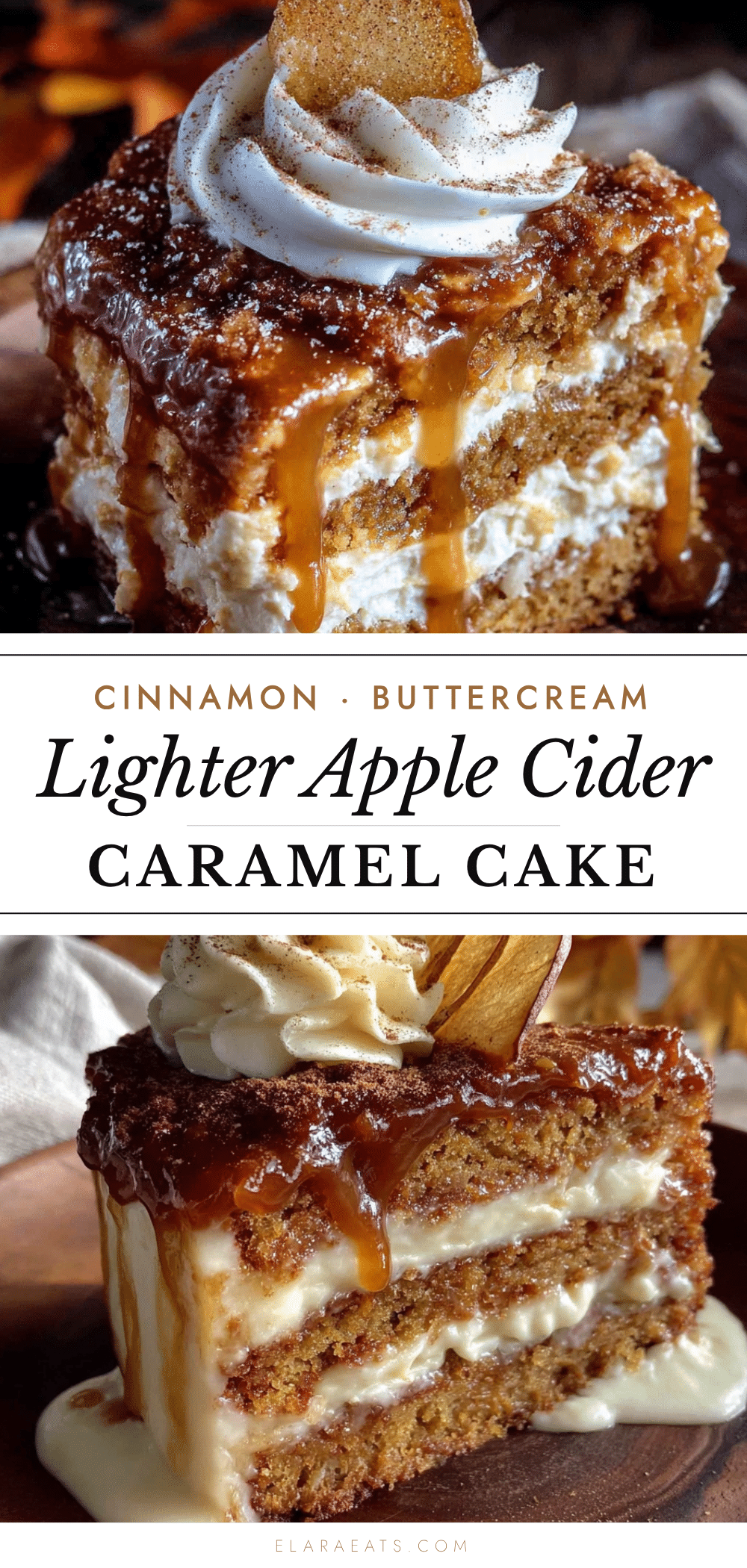
Lighter Apple Cider Caramel Cake with Cinnamon Buttercream
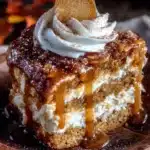
A lighter, healthier version of a classic fall apple cider cake with a caramel swirl and cinnamon buttercream. Made with Greek yogurt for moisture and less butter, this cake is tender, flavorful, and perfect for autumn gatherings.
- Prep Time: 20 minutes
- Cook Time: 30-35 minutes
- Total Time: 1 hour
- Yield: 10 servings 1x
- Category: Dessert
- Cuisine: American
Ingredients
- 1 ½ cups all-purpose flour
- 1 teaspoon baking powder
- ½ teaspoon baking soda
- ½ teaspoon salt
- 1 teaspoon ground cinnamon
- ¼ teaspoon ground nutmeg
- ½ cup unsalted butter, softened
- ¾ cup granulated sugar
- 2 large eggs, room temperature
- 1 teaspoon vanilla extract
- ½ cup plain Greek yogurt (full-fat or 2%)
- ½ cup apple cider (unfiltered preferred)
- ¼ cup store-bought or homemade caramel sauce (thick)
- 1 tablespoon all-purpose flour (for caramel swirl)
- ½ cup unsalted butter, softened (for buttercream)
- 2 cups powdered sugar
- 1 teaspoon ground cinnamon
- 2 tablespoons milk (any kind)
- ½ teaspoon vanilla extract
- Pinch of salt
Instructions
- Preheat oven to 350°F (175°C). Grease a 9-inch round cake pan and line the bottom with parchment paper.
- In a medium bowl, whisk together flour, baking powder, baking soda, salt, cinnamon, and nutmeg. Set aside.
- In a large bowl, beat softened butter and granulated sugar until light and fluffy, about 3-4 minutes.
- Beat in eggs one at a time, then add vanilla extract.
- With mixer on low, add dry ingredients and Greek yogurt alternately: ⅓ flour, ½ yogurt, ⅓ flour, remaining yogurt, remaining flour. Mix just until combined.
- Gently fold in apple cider with a rubber spatula.
- In a small bowl, stir caramel sauce with 1 tablespoon flour.
- Pour half the batter into the pan. Dollop half the caramel mixture and swirl gently with a knife. Add remaining batter and caramel, swirl again.
- Bake for 30-35 minutes, until a toothpick inserted in center comes out clean or with moist crumbs. Cool in pan 10 minutes, then turn out onto a rack to cool completely.
- For buttercream: Beat softened butter until creamy. Gradually add powdered sugar and cinnamon, then milk, vanilla, and salt. Beat on medium-high 3-4 minutes until fluffy.
- Frost cooled cake. Serve at room temperature.
Notes
Room temperature ingredients are crucial. Don’t overmix batter. Use a light hand when swirling caramel to keep distinct ribbons. Check for doneness at 28 minutes. Cool cake completely before frosting. Store at room temperature up to 3 days or freeze unfrosted up to 3 months.
Nutrition
- Serving Size: 1 slice
- Calories: 310
- Sugar: 28
- Sodium: 220
- Fat: 14
- Saturated Fat: 8
- Carbohydrates: 44
- Fiber: 2
- Protein: 5
Keywords: apple cider cake, caramel cake, cinnamon buttercream, fall dessert, lighter cake, Greek yogurt cake